
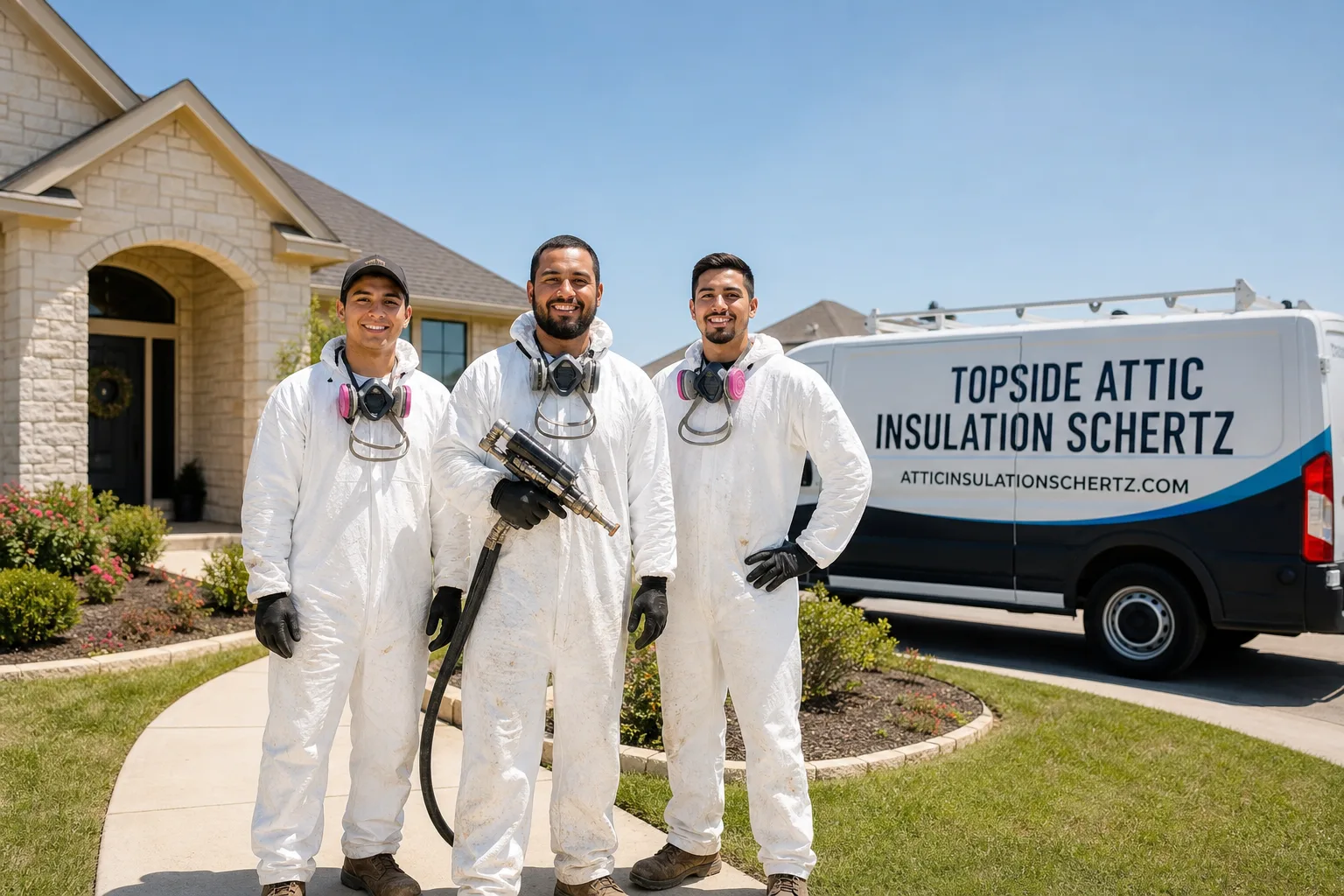
How Much Does Attic Cleaning & Rodent Proofing Cost in Schertz?
Attic Cleaning & Rodent Proofing in Schertz, TX typically runs between $900 and $3,800 for a standard single-family home, with most jobs landing around $1,400 to $2,200 once soiled insulation removal, sanitizing, and full exclusion work are factored in. Homes in older sections of Schertz – think the established neighborhoods off FM 1518 near the Guadalupe County line – tend to land at the higher end because crawlable attic space, older construction gaps, and decades of unchecked entry points all add scope. If rodent activity has been going on long enough to compromise the insulation, you’re looking at a combined cleaning-plus-replacement project, which we break down in detail below.
Attic Cleaning & Rodent Proofing Cost Breakdown (2026)
The table below reflects actual pricing we see in the Schertz market as of 2026. Every number assumes a written scope and a written price delivered before any work starts – that’s not a policy option here, it’s how every job under the Haven Standard operates.
| Service Component | Typical Cost Range (Schertz, TX) | Notes |
|---|---|---|
| Attic inspection & assessment | $0 (free estimate) | Documented photo record included on every visit |
| Contaminated insulation removal (per 1,000 sq ft) | $350 – $650 | Blown-in removal adds bag disposal fees |
| Attic debris & dropping cleanup | $200 – $450 | HEPA vacuuming; cost scales with infestation severity |
| Sanitizing & deodorizing treatment | $150 – $350 | Enzyme-based treatment for rodent urine and feces |
| Rodent exclusion (seal entry points) | $400 – $900 | Hardware cloth, foam, caulk, vent covers |
| Vent & soffit guard installation | $150 – $400 | Wire mesh guards on gable, ridge, and soffit vents |
| New insulation installation (post-cleaning) | $900 – $2,200 | Blown-in fiberglass or cellulose; price per attic sq footage |
| Full project (cleaning + proofing + new insulation) | $1,800 – $4,200 | Most common complete-scope job in Schertz homes 1,600 – 2,800 sq ft |
A few things move these numbers quickly. The biggest cost driver in Schertz is attic square footage – most homes in Crossvine, Homestead, and the older Northcliffe neighborhoods run 1,600 to 2,400 square feet of conditioned space, which translates to roughly the same in attic coverage. A 2,000-square-foot attic with moderate contamination and six to eight entry points is what our crews see most often, and that scope typically prices between $1,600 and $2,600 all-in when insulation replacement is included.
A job that is just exclusion work – sealing entry points on a home where the insulation is still intact and clean – can come in well under $1,000. On the other end, severe infestations where rodents have nested in blown-in insulation for multiple seasons, saturated the attic floor with urine, and chewed through HVAC flex duct can push past $4,000 once everything that needs to go gets removed, treated, and replaced. We’ve seen both ends of that range in Schertz, and the difference almost always comes down to how long the problem was allowed to develop.
For a full picture of what the service includes, visit our Attic Cleaning & Rodent Proofing in Schertz service page, which walks through the scope step by step.
What Affects Attic Cleaning & Rodent Proofing Pricing in Schertz
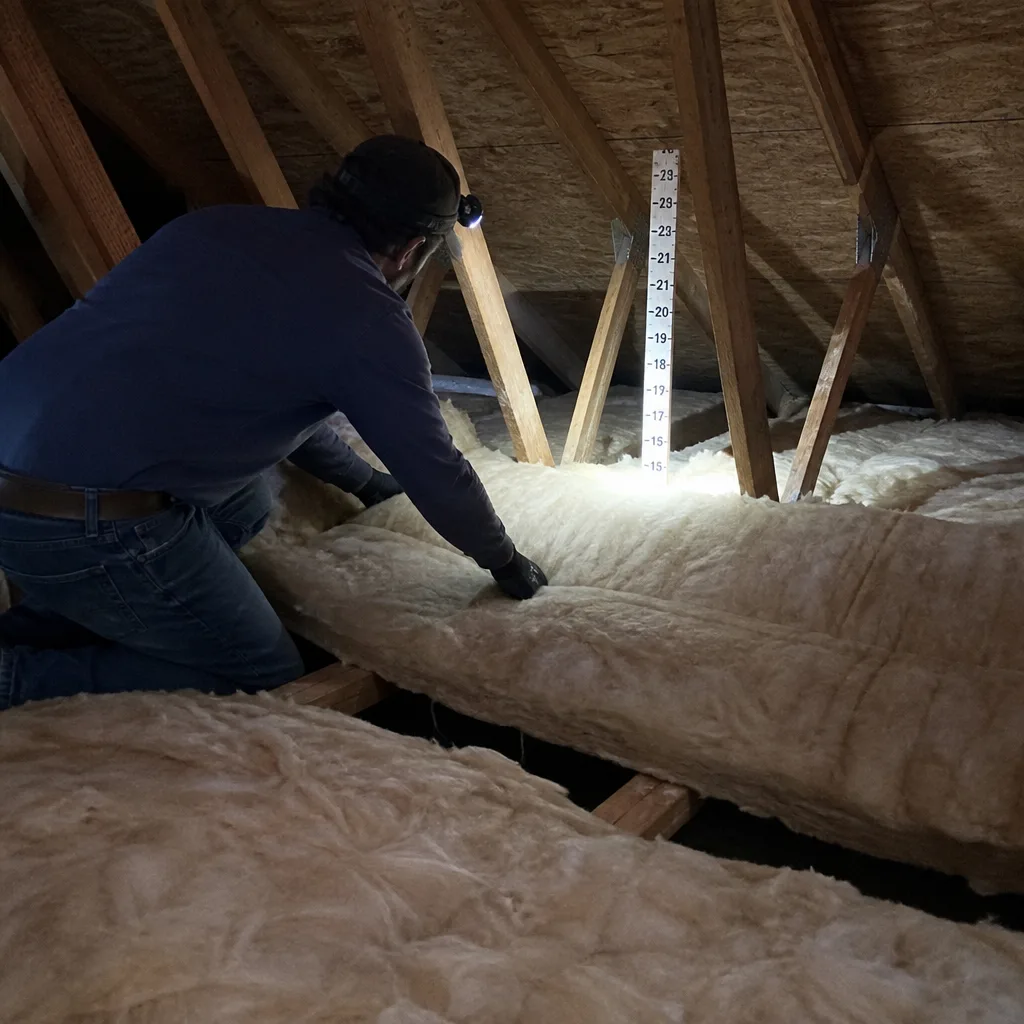
No two attics price identically, but a handful of variables account for the majority of the spread you’ll see between estimates. Here’s what matters most in the Schertz market specifically:
- Attic size and access difficulty. Larger attics cost more to clean because there’s simply more surface area to treat and more footage of insulation to remove. Low-pitch rooflines – common in the newer builds along Schertz Parkway and the development corridors near IH-35 – can make portions of the attic nearly unreachable without specialized equipment, which adds time and labor.
- Severity and duration of infestation. A recent mouse intrusion caught early is a different scope than a multi-year roof-rat colony that has been using blown-in insulation as nesting material. The older, larger trees throughout the Schertz Cibolo area create excellent roof-rat habitat – these animals are agile climbers and can find a gap as small as half an inch, which is why proofing work here requires a thorough inspection, not a checklist pass.
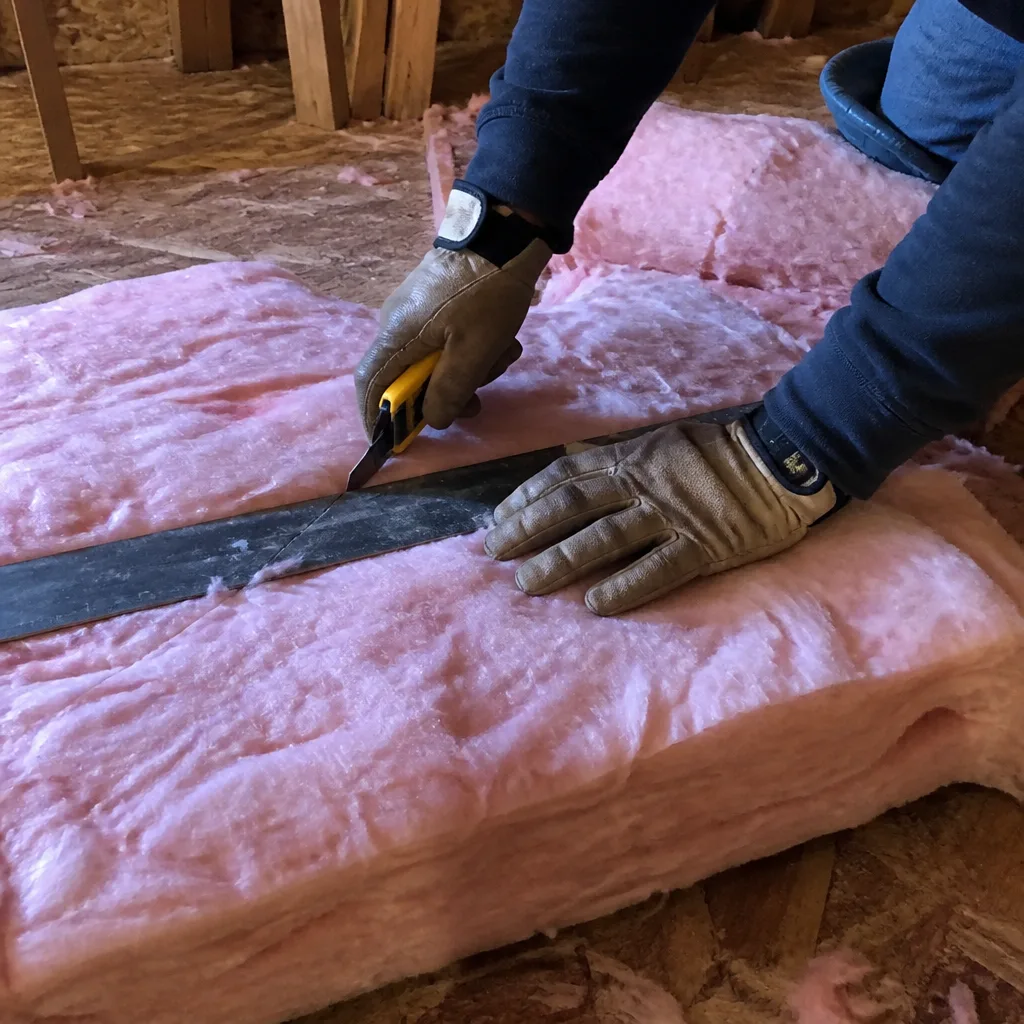
- Type of existing insulation. Blown-in cellulose and fiberglass are the most common insulation types in Schertz attics built between 1985 and 2015. Contaminated blown-in insulation has to be vacuumed out using truck-mounted equipment; contaminated batt insulation can be removed in rolls but still requires careful bagging and disposal. Either way, insulation that has been nested in or soaked through cannot stay.
- Number and location of entry points. Every gap, crack, and unsealed penetration adds to the exclusion scope. Schertz homes built in the 1990s through early 2000s often have numerous unblocked soffit vents, open gable vents, and gaps where utilities enter the attic – all of which need to be properly sealed with hardware cloth or rigid material, not just foam alone. Counting and addressing every point is the difference between a permanent fix and a six-month reprieve.
- HVAC and ductwork condition. Rodents chew through flex duct with no effort at all. When ductwork damage is found during the attic inspection, duct repair or replacement adds scope – and in Schertz’s climate, where HVAC systems run hard from April through October, compromised duct connections mean conditioned air is leaking directly into the attic rather than reaching the rooms it’s supposed to cool. That’s a comfort and utility problem that compounds quickly.
- Whether new insulation is needed afterward. If the contaminated material has to come out, the attic floor is bare once cleanup is done. Leaving it that way isn’t a reasonable outcome – an uninsulated attic in Schertz during a July heat wave pushes radiant heat into every room below it. Most complete projects include insulation replacement as the final step, and that’s where the total project cost often lands in the $2,000+ range for a typical Schertz home.
What the Cleaning & Proofing Process Actually Looks Like
We start with the inspection – a full walkthrough of the attic space with a documented photo record before anything is moved, removed, or treated. Every entry point gets photographed. The insulation condition gets photographed. If there’s duct damage, that gets photographed too. You receive all of it when the crew leaves, not as a courtesy, but as a standard record under the Haven Standard.
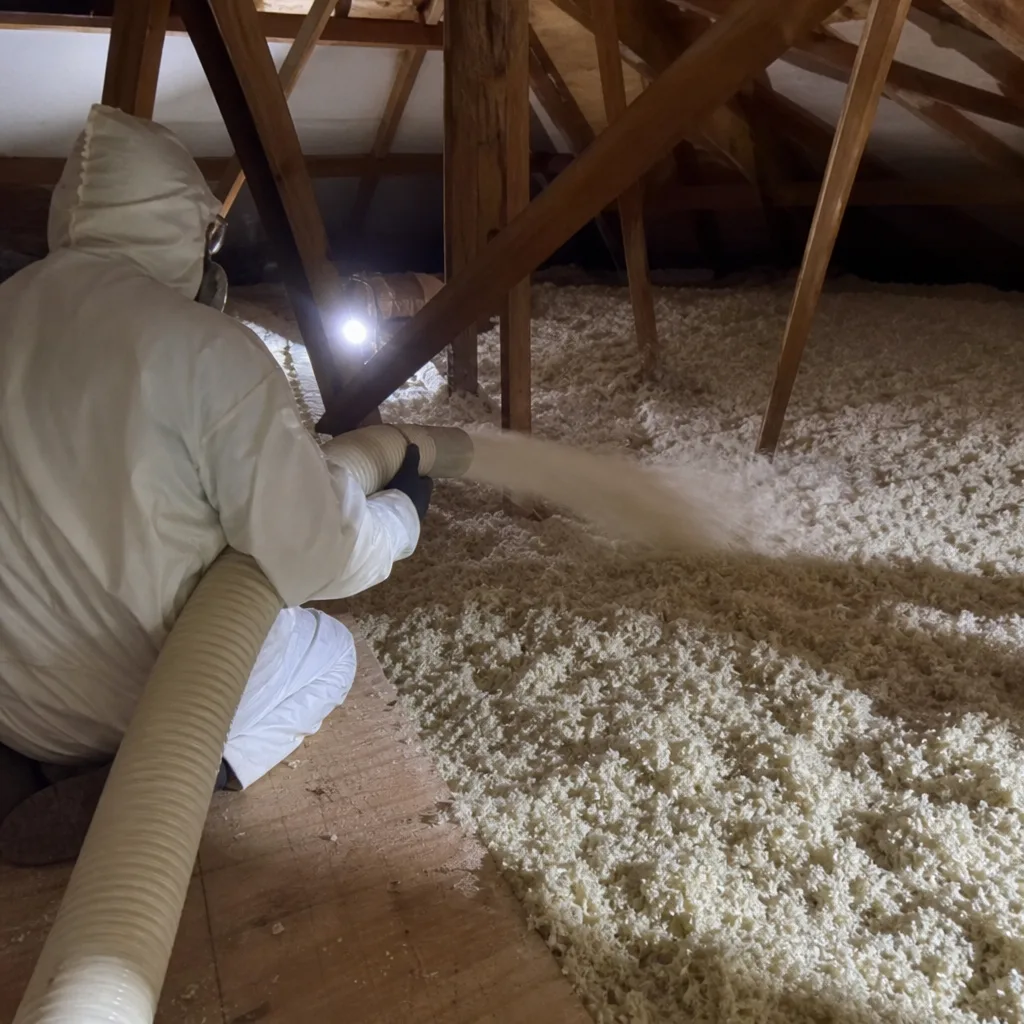
From there, contaminated insulation comes out first. We use a truck-mounted vacuum system that keeps the material contained from attic to disposal bag without carrying debris through your living space. Once the attic floor is clear, the sanitizing treatment goes in – an enzyme-based application that breaks down rodent urine proteins and deodorizes rather than just masking the smell. This matters because untreated urine scent is part of what continues to attract new animals to the same space.
Exclusion work happens next, and it’s the most time-intensive part of a well-done job. Every potential entry point – including ones that haven’t been used yet – gets sealed with a material appropriate to its location. Foam alone isn’t sufficient for rodent exclusion because roof rats and mice will chew through it. We use hardware cloth backed with appropriate sealants on openings where gnawing is likely, and vent guards over soffit and gable vents that need airflow to continue.
If insulation is going back in – and for most complete Schertz jobs it does – air sealing of top plates, penetrations, and can lights happens before any insulation is installed. That’s not optional and it’s not an add-on. Blowing insulation over an unsealed attic floor is something we won’t do, because the air sealing is what actually changes the home’s performance. The insulation is the thermal layer on top of it.
For applicable jobs that include new insulation installation, we provide before-and-after blower-door readings – a pressurization measurement that gives a single number showing how much air the building envelope was losing before the work and how much it loses after. That number belongs to you. It’s in your documentation.
Schertz-Specific Factors Worth Knowing
Schertz sits in a transitional zone between the Hill Country cedar habitat to the west and the river-bottom habitat along the Guadalupe to the south and east. Both roof rats and Norway rats are active here, along with the more familiar house mouse. The city’s rapid residential development since the early 2000s – most of the growth along FM 3009 and the newer sections near Wiederstein Road – means there are a lot of homes in the 10-to-20-year age range where original construction gaps have never been addressed and where blown-in insulation is now old enough to have settled significantly below its original R-value.
Bexar County, where much of Schertz’s commercial corridor sits, and Guadalupe County, which covers most of Schertz’s residential areas, do not require a specific permit for attic cleaning work. However, HVAC duct repairs discovered during cleanup do require a licensed HVAC contractor for any work that moves beyond patching. We flag duct damage when we find it and document it in the inspection record so you know exactly what’s present and can make an informed decision.
The Schertz climate also matters for timing. Rodent activity peaks in the fall as temperatures drop and animals look for warm, dry spaces – which describes a Schertz attic with open vents almost exactly. We see a significant uptick in inspection requests from neighborhoods like Fairways at Scenic Hills and the older sections of Schertz along Live Oak Road between September and November. Addressing exclusion work before that seasonal push means you’re not competing with a dozen other homeowners for crew availability.
How to Save on Attic Cleaning & Rodent Proofing
The most straightforward way to reduce total cost is to catch the problem early. A mouse or rat found in the living space in month one is a fundamentally different scope than a colony that has been in the attic for two or three years. Regular attic inspections – even just a visual check with a flashlight every spring and fall – can catch entry points and early evidence of activity before nesting and contamination compound the work.
Here are a few other practical ways to manage the cost of this service:
- Get the inspection before assuming the worst. Some attics in Schertz that show exterior evidence of rodent activity turn out to have minimal interior contamination because the animals were intercepted early or never found a way fully inside. A documented inspection gives you an accurate scope before any money changes hands. Our estimate is free – call (830) 402-5240 and we’ll schedule it.
- Combine services when the scope overlaps. If you’re already removing contaminated insulation, installing new blown-in insulation at the same time costs less per square foot than scheduling it as a separate job later. The attic floor is clear, the crew is already there, and the air sealing work happens once instead of twice.
- Use the Free Second Opinion on any written estimate. If you have a quote from another contractor, bring it to us. We’ll read it with you line by line and tell you exactly what it does and doesn’t include. Under the Haven Standard, that review is free with no obligation. Some estimates in the Schertz market leave out sanitizing treatment, leave out duct inspection, or use foam-only exclusion that won’t hold. Knowing what’s missing before you sign is worth the conversation.
- Address the roof and exterior gaps at the same time. Exclusion work done from inside the attic is only part of the picture. Tree branches overhanging the roofline, deteriorated fascia, and open utility penetrations on the exterior are re-entry points that will undo interior exclusion work within a season. Your crew can identify them during the inspection; your roofing contractor or handyman can address them separately. Coordinating both at once prevents repeat calls.
- Don’t skip new insulation to save short-term. Leaving an uninsulated attic after cleaning is a real option, but it’s an expensive one. Schertz’s summer heat load is severe – average July highs run near 97 degrees and the attic can hit 140 to 150 degrees on a clear afternoon. Bare attic floors mean that radiant heat moves directly into the living space, which shows up immediately on your electricity bill. The insulation pays for a portion of itself over two to three cooling seasons.
If pricing is the main concern, the written estimate we provide before any work starts gives you a flat number with no surprises attached. There are no verbal promises made on-site and formalized differently on the invoice. The scope is written, the price is written, and the warranty is written – all before anyone starts.
FAQs – Attic Cleaning & Rodent Proofing Cost in Schertz
How much does attic cleaning cost in Schertz, TX?
Attic cleaning in Schertz runs $500 to $1,200 for cleanup and sanitizing alone, with most homes landing around $700 to $900 depending on attic size and contamination level. If contaminated insulation has to come out first, add $350 to $650 per 1,000 square feet of attic floor. A full cleaning-only scope (no new insulation) on a 2,000-square-foot Schertz home typically prices between $1,100 and $1,800. Call (830) 402-5240 for a free estimate with a written price before any work begins.
How much does rodent proofing cost in Schertz?
Rodent proofing – sealing all entry points with hardware cloth, vent guards, and appropriate sealants – typically runs $400 to $900 in Schertz, depending on how many entry points need to be addressed and where they’re located. Homes with open gable vents, multiple soffit gaps, and utility penetrations at the roofline tend to land toward the top of that range. Exclusion work done without accompanying cleanup is possible but uncommon, because most attics that have had rodent access long enough to need proofing also need the interior addressed. Call (830) 402-5240 and we’ll assess exactly what’s present before quoting anything.
Is it cheaper to just replace the insulation rather than clean first?
No – and this is a common misunderstanding. Installing new insulation over contaminated attic floor material leaves rodent urine, feces, nesting debris, and the scent markers that attract new animals directly beneath the fresh product. Within one to two seasons, the new insulation is compromised the same way the old was. The cleaning and sanitizing step is not optional if the goal is a lasting result. The combined cost of proper cleaning plus new insulation – typically $1,800 to $4,200 for a Schertz home – is the correct comparison, not cleaning versus replacement as separate choices.
Can I get just an inspection to know what I’m dealing with?
Yes, and we’d recommend starting there. The inspection is free, and it includes a documented photo record of what we find – every entry point, every area of contamination, every piece of duct damage if any is present. You receive those photos when the crew leaves. The written estimate follows from what the inspection documents, so you know the exact scope and price before deciding anything. Call (830) 402-5240 to schedule. There’s no charge for the estimate and no obligation to proceed.
How long does attic cleaning and rodent proofing take in Schertz?
Most complete attic cleaning and rodent-proofing jobs in Schertz – insulation removal, sanitizing treatment, exclusion work, and new insulation installation – are completed in one to two days. A cleaning-and-exclusion scope without insulation replacement can often be completed in a single day for a typical 1,600-to-2,400-square-foot attic. Larger attics, severe contamination, or complex exclusion work with many entry points can extend the timeline. We’ll give you a realistic timeline in writing with the estimate so you know what to plan for.
Does rodent proofing work long-term, or will they just find another way in?
Proper exclusion work – meaning every gap closed with appropriate physical barriers, not foam-only patching – holds for many years when the exterior factors are also addressed. The most common reason rodents return after exclusion work is that new entry points open up: tree branches grow back over the roofline, fascia deteriorates, or utility penetrations are added. A thorough inspection covers not just the obvious gaps but the marginal ones that could become problems. We document all of them so you have a record of what was addressed and what to watch on the exterior going forward.
Key Takeaways
- Most attic cleaning and rodent-proofing projects in Schertz fall between $900 and $3,800, with complete cleaning-plus-insulation scopes typically running $1,800 to $4,200.
- Attic size, contamination severity, number of entry points, and whether insulation replacement is needed are the four biggest cost variables.
- The Schertz market – older construction near FM 1518, rapid development along FM 3009, and significant tree canopy in established neighborhoods – creates consistent rodent-proofing demand year-round, with a fall peak from September through November.
- Cleaning before installing new insulation is not optional if the goal is a result that holds. New material installed over contaminated substrate fails the same way the original did.
- Under the Haven Standard, every job at Topside Attic Insulation Schertz starts with a written price and ends with a documented photo record. No work begins without a written scope and written price in hand.
- The 365-Day Done Right Promise applies to all completed work: if it’s not done right, we make it right.
- Estimates are free. Call (830) 402-5240 and we’ll schedule an inspection with no obligation.
Why Documented Work Matters More Than You’d Expect
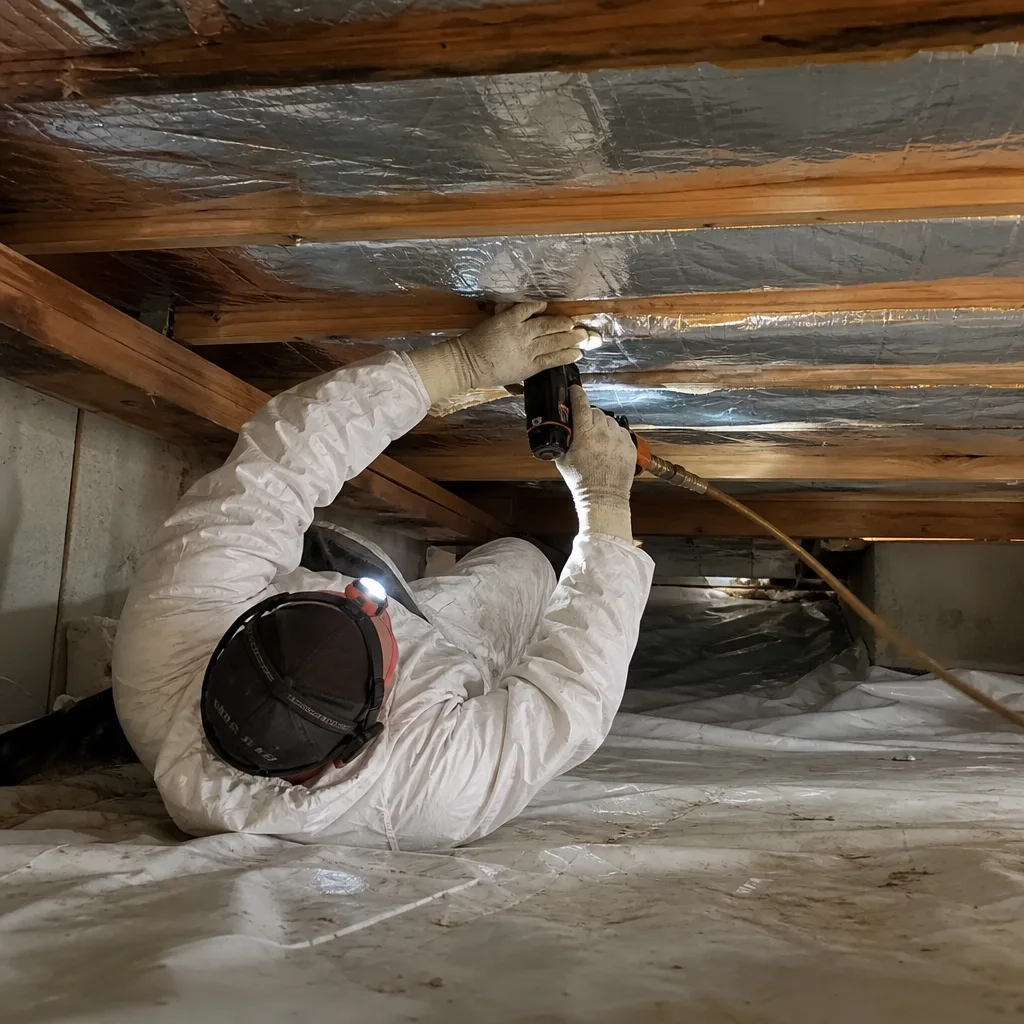
Most homeowners discovering rodent evidence in their attic for the first time are focused, understandably, on getting the problem resolved and not thinking about documentation. But in Schertz specifically – where a significant portion of homes are in the 10-to-25-year age range and will eventually sell – the attic cleaning and exclusion record is a document that matters at resale. A buyer’s inspector who finds a clean, properly insulated attic with sealed vents and no evidence of ongoing activity is a very different conversation than one who finds unaddressed entry points and discolored insulation.
The Documented Photo Record we provide on every visit isn’t just an operational detail. It’s the evidence that the work was done, what was addressed, and when. Some homeowners keep it with their home maintenance records. Others use it when they sell. Either way, it’s yours.
Wes Okafor and the team at Topside Attic Insulation Schertz have operated under this standard since 2016, and the approach has not changed: written price before work starts, photo record when we leave, 365-Day Done Right Promise behind everything in between. If you’re looking at a competitor’s written estimate and want a second set of eyes on what it does and doesn’t cover, that review is free. Bring it and we’ll go through it with you.
If you’re still researching what’s involved in this service before getting an estimate, our home page covers the full scope of building-envelope services we provide in the Schertz area, including attic air sealing, insulation replacement, and radiant barrier installation that are often relevant after a rodent cleanup is complete.
For Schertz homeowners ready to get an accurate number for their specific attic, the next step is the free inspection. Call (830) 402-5240 and we’ll schedule it, come out with a camera, document what we find, and give you a written price before anything else happens.
Written by Wes Okafor, Owner at Topside Attic Insulation Schertz, serving Schertz, TX since 2016.
Pricing reflects the Schertz market as of 2026. Topside Attic Insulation Schertz offers free estimates – call (830) 402-5240.
What Our Customers Say
"Fixed price, clean work, and they hauled the old material away as agreed."
- Todd M."They photographed rodent damage in the old insulation that we had no idea about, and priced the exclusion work separately so we could decide."
- Harriet N."Crawl space encapsulation done properly. Photographs of the vapour barrier at every seam, and the damp smell in the hallway is gone."
- Ainsley P.