
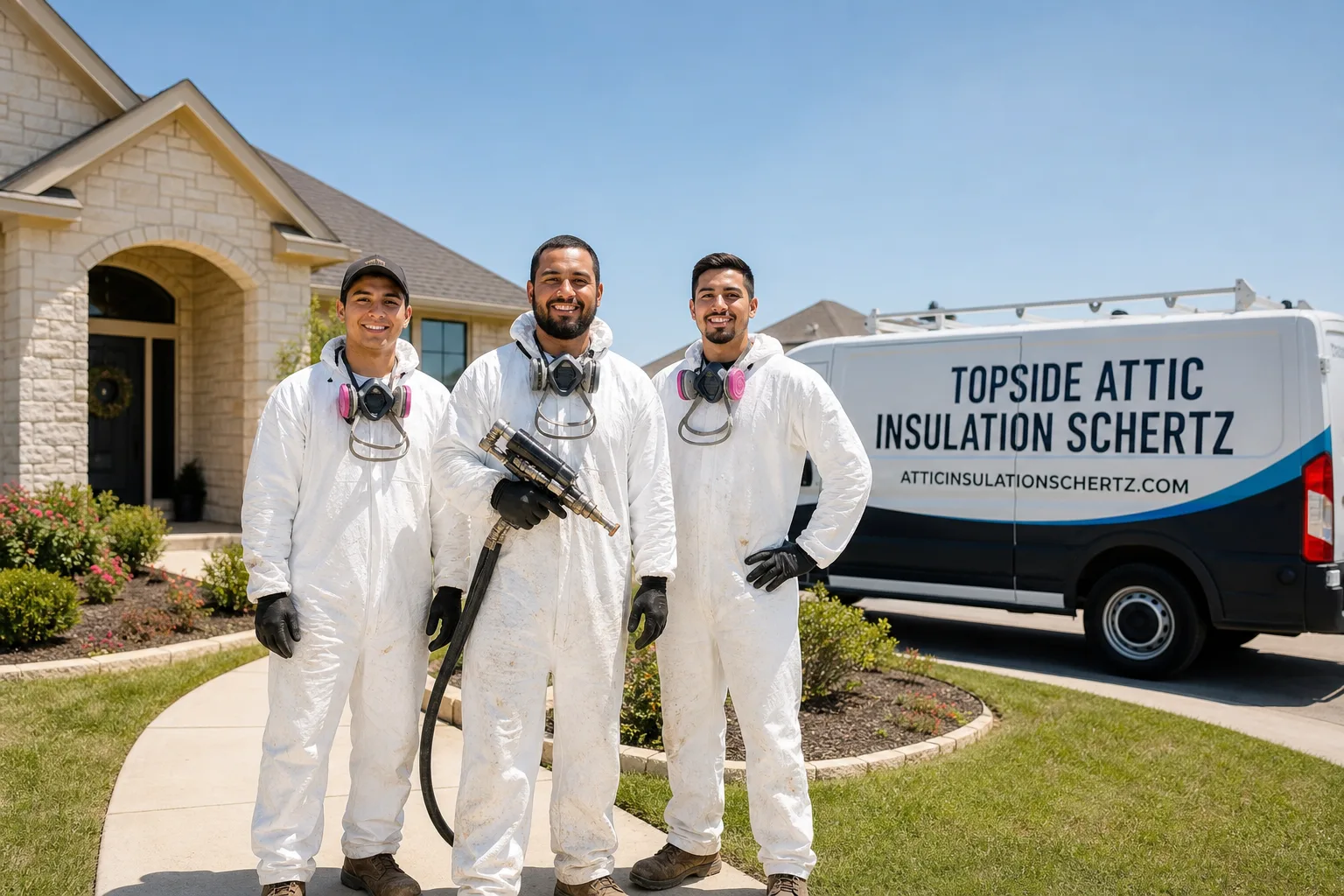
Fast, Reliable Blown-In Insulation Across Cibolo
Most blown-in insulation jobs in Cibolo run $1,800-$4,200 for a typical attic, and our crews can usually inspect and quote same-day. We dispatch from our San Antonio office and regularly work The Crossvine, Deer Meadows, and the neighborhoods along Cibolo Valley Road - so when you call (830) 402-5240, you’re talking to people who already know what your attic probably looks like. Cibolo’s entire housing stock was built in a narrow post-2000 window by volume builders who installed the minimum insulation to pass code, and those homes are now hitting the 10-20 year mark together. That means settled fiberglass, unsealed top plates, and HVAC systems that can’t keep up when attic temperatures hit 150°F.
Why Topside Attic Insulation Schertz Is Cibolo’s Preferred Blown-In Insulation Company
We’ve sealed and insulated over 9,000 homes since 2016, and a significant share of them sit right here in Cibolo’s master-planned developments. The reviews we get from Cibolo homeowners tend to mention the same thing: they finally found a crew that looked at air leaks before adding material. Our response time to Cibolo neighborhoods is typically same-day or next-morning, because we keep crews rotating through Guadalupe County regularly.
What sets us apart in this market is pattern recognition. We’ve opened enough attics in The Crossvine, Deer Meadows, and along Cibolo Valley Road to know what we’ll find before we pull the hatch - R-30 blown fiberglass settled below its labeled depth, top plates and interior partition walls never sealed, and conditioned air escaping through gaps the builder skipped because they passed visual inspection. We don’t treat air sealing as an upsell. Under Haven Standard Clause 1, we seal first, then insulate, and we put that in writing before anyone touches a tool.
Every job closes with a Documented Photo Record and, on applicable work, before-and-after blower-door numbers so you can see the actual performance change. The 365-Day Done Right Promise applies to everything we complete in Cibolo.
Our Blown-In Insulation Services in Cibolo
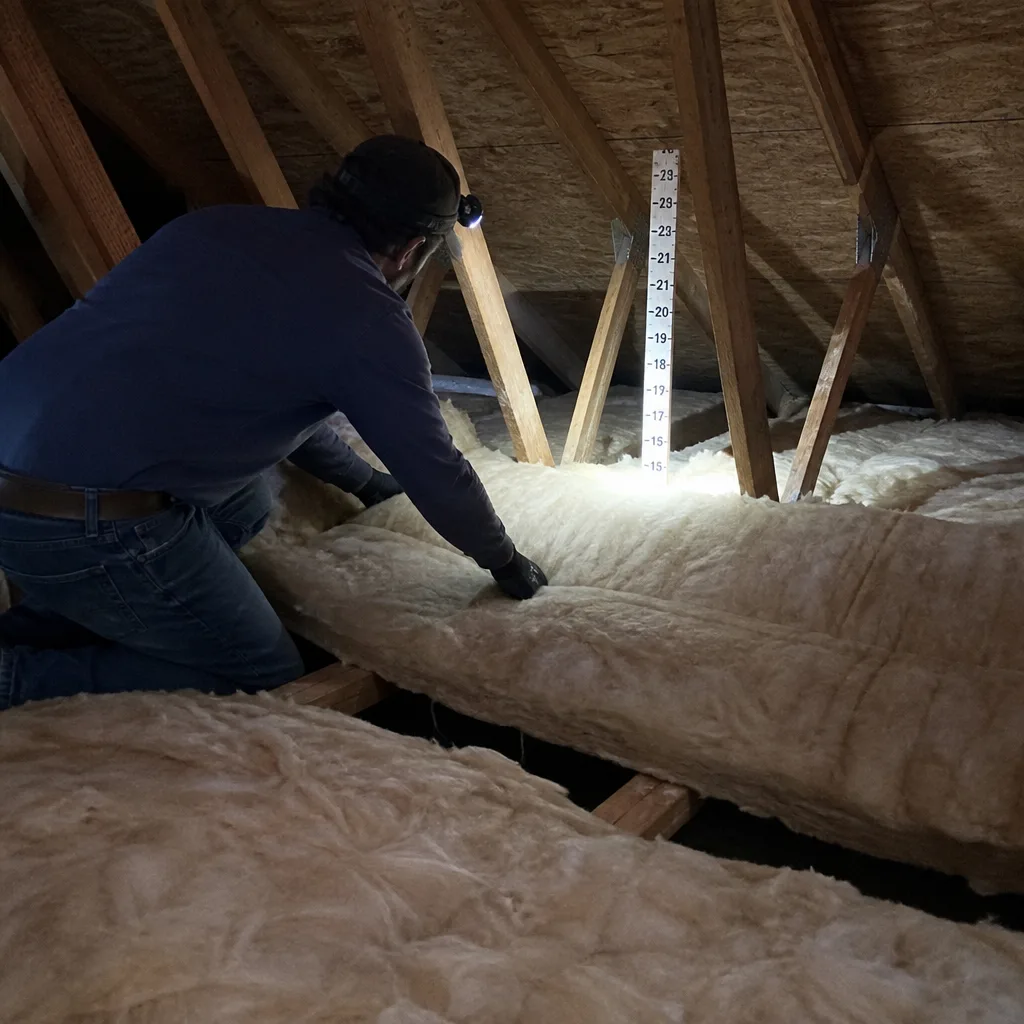
Blown-In Cellulose
We use GreenFiber cellulose for most Cibolo attic retrofits because it performs well in our hot-humid Climate Zone 2 and fills irregular cavities better than fiberglass batts. Cellulose also resists air movement when dense-packed, which matters in Cibolo homes where the original builder-grade fiberglass left bypasses open. A typical full attic replacement with cellulose in a 2,000-square-foot Cibolo home runs $2,400-$3,800, including air sealing of top plates and can lights.
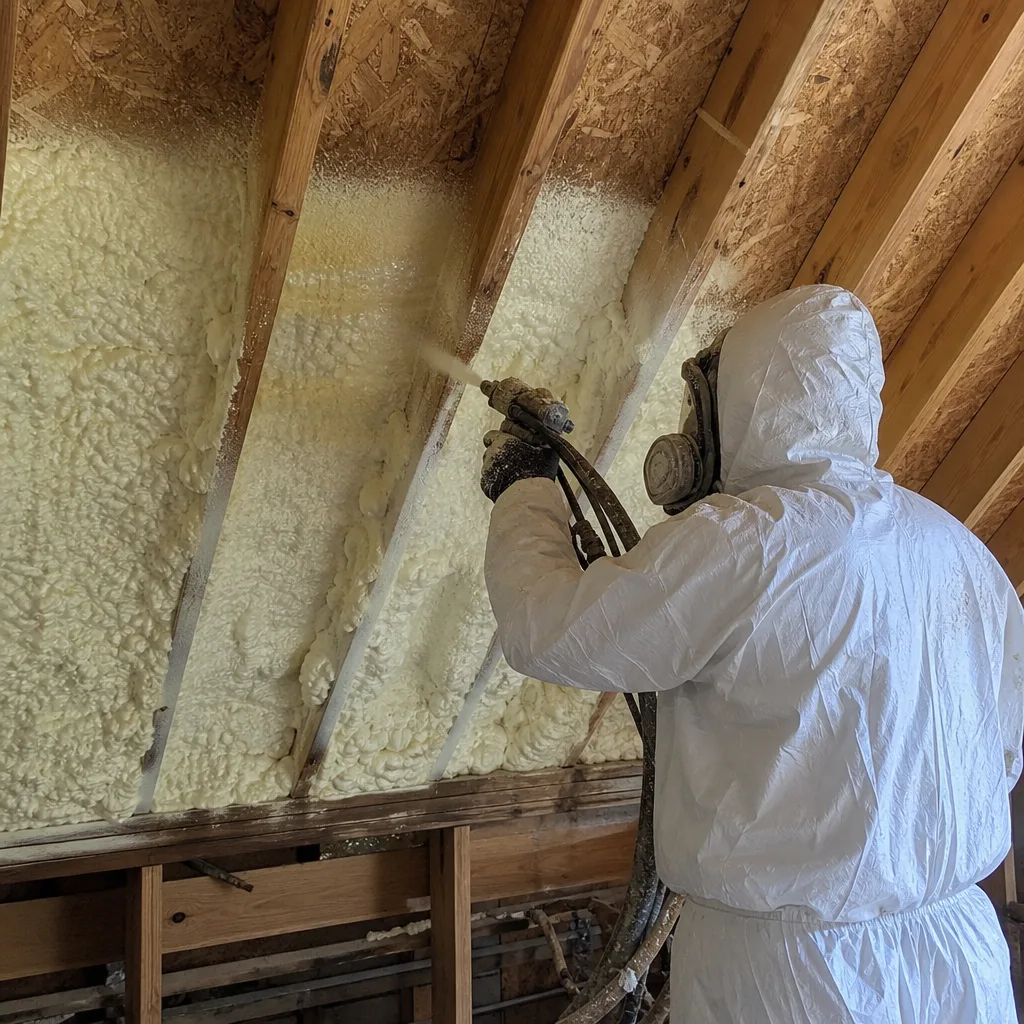
Blown-In Fiberglass
For homeowners who prefer fiberglass, we source from Owens Corning and blow it to proper depth after sealing all attic bypasses. We rarely recommend fiberglass alone in Cibolo - the volume builders already tried that - but it works well as part of a hybrid system or in specific applications like over-garage bonus rooms. Our Blown-In Insulation team will spec the right material for your roofline and ventilation setup.
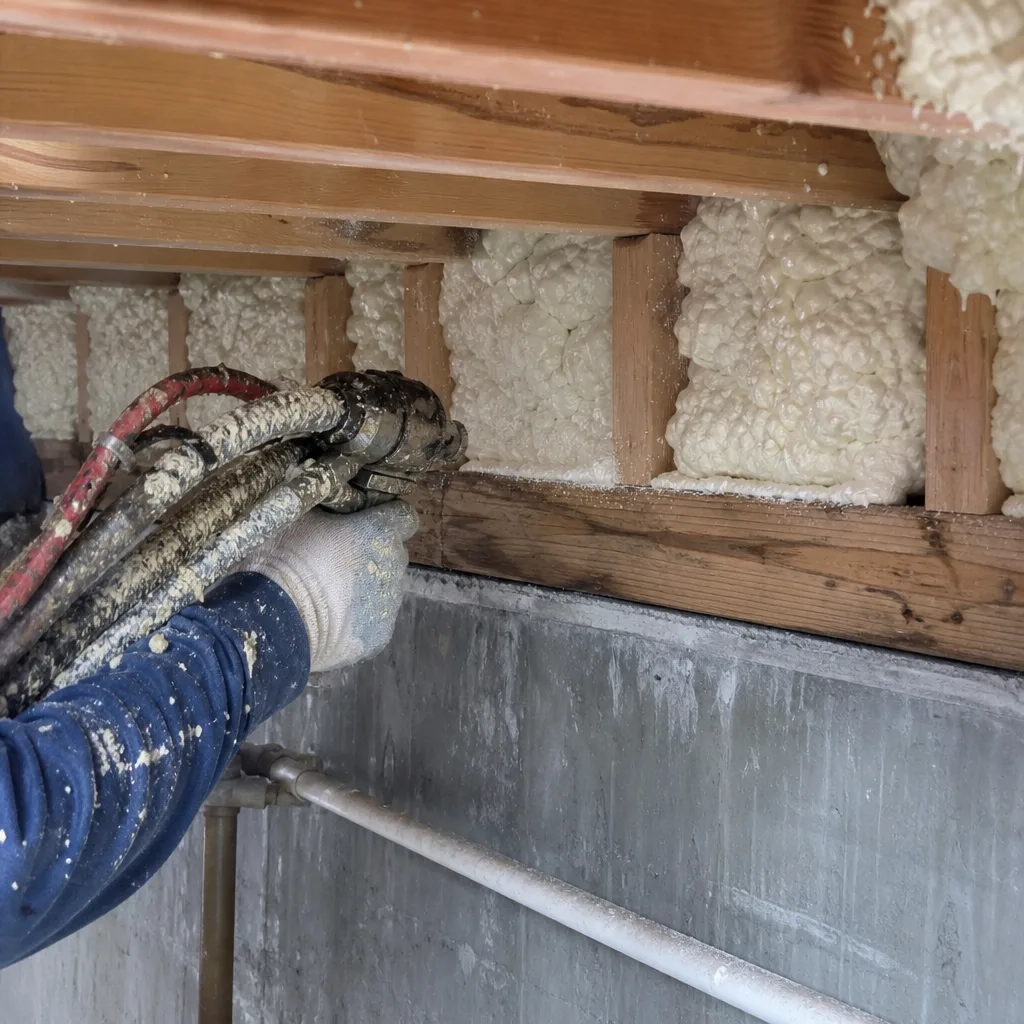
Dense-Pack Wall Insulation
Cibolo’s production homes were built with 2×4 exterior walls, limiting cavity depth to what accepts R-13 or R-15 batts. Dense-pack cellulose or fiberglass, blown at 3.5 pounds per cubic foot, fills those cavities completely and reduces air infiltration through electrical boxes and stud bays. This is one of the most effective upgrades for Cibolo homes where the attic is already addressed but exterior walls still bleed conditioned air. Most dense-pack wall jobs in Cibolo run $3,200-$5,500 depending on linear footage and interior finish protection required.
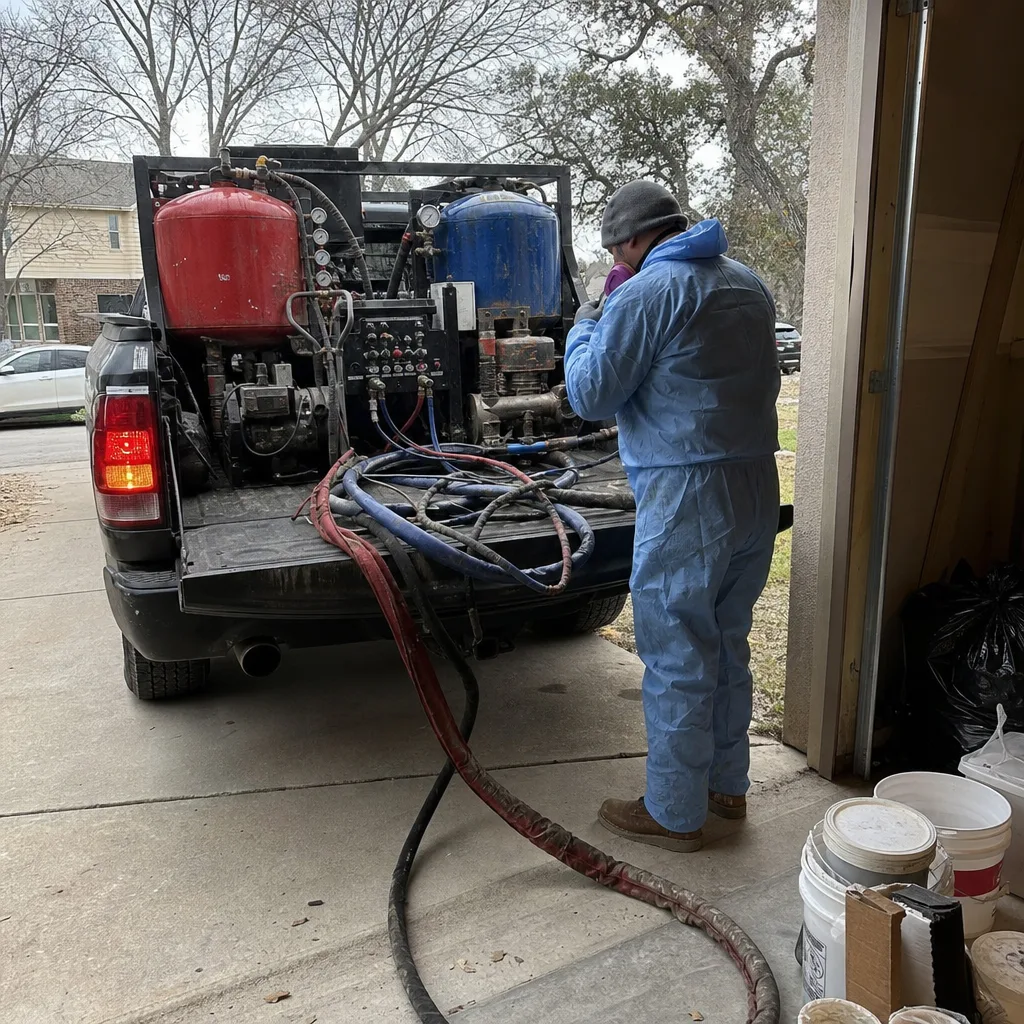
Blown-In Top-Up
This is our most common Cibolo service. We remove settled or degraded fiberglass, air-seal every bypass we find, then blow new material over any salvageable existing insulation to reach target R-value. A blown-in top-up with air sealing typically costs $1,800-$3,400 in Cibolo’s 1,800-2,400 square foot homes. We document everything with photos and provide blower-door readings when applicable.
What happens when you call
- 1
A real person answersNo phone trees - you reach a local pro.
- 2
You get an upfront price rangeHonest numbers before anyone is dispatched.
- 3
A background-checked tech heads outLicensed & insured, dispatched right away.
- 4
You approve before work beginsNothing starts until you say go.
Trusted Brands We Service in Cibolo
We stock materials from Owens Corning, GreenFiber, and Icynene for Cibolo jobs, with no proprietary lock-in that limits your options. Owens Corning fiberglass is available for specific applications where it outperforms cellulose; GreenFiber handles most of our attic retrofits; and Icynene open-cell spray foam comes into play for complex rooflines or conditioned attic conversions in newer Cibolo builds with sealed crawl spaces. Because we source from multiple manufacturers, turnaround on material orders is fast - we don’t wait on back-ordered proprietary products while your attic stays open.
Common Blown-In Insulation Problems We See in Cibolo Homes
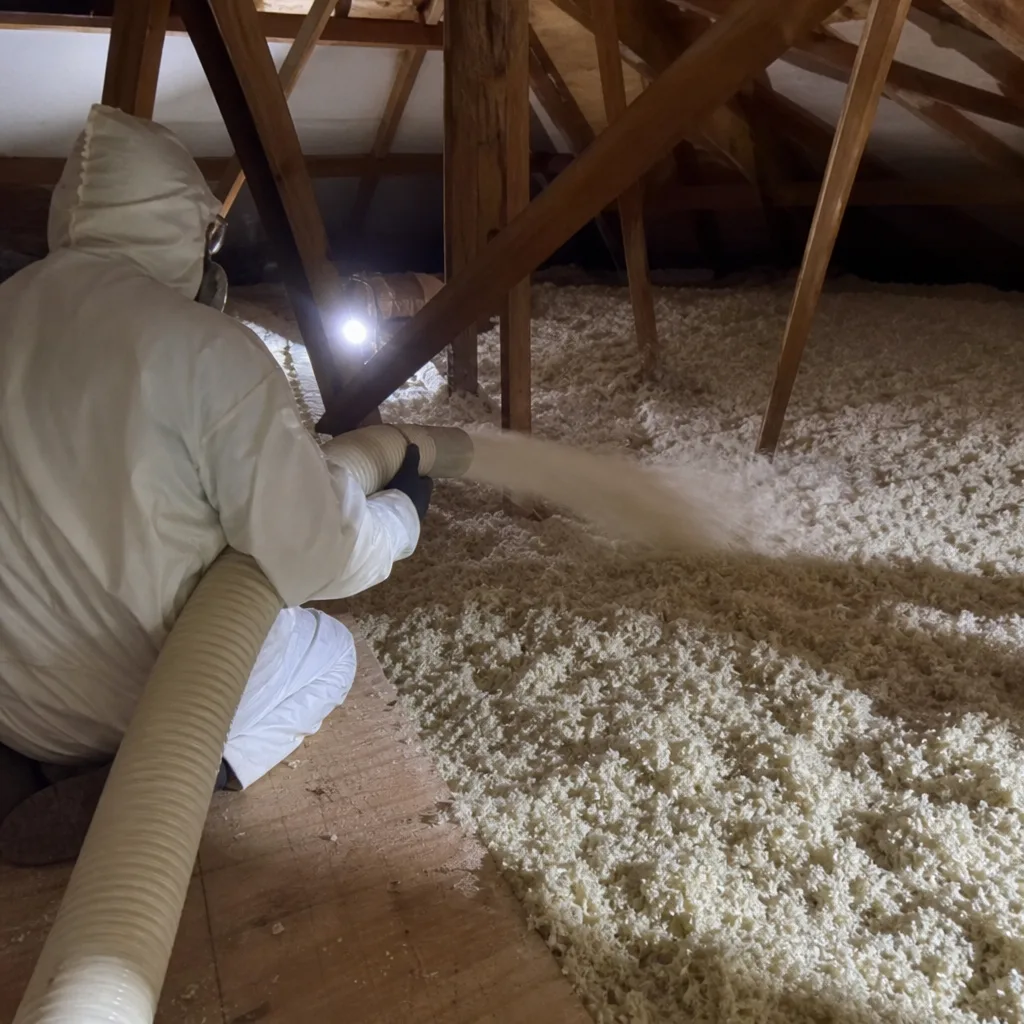
- Unsealed top plates and interior partition walls. In The Crossvine and nearly every post-2000 Cibolo subdivision, builders blew fiberglass over attic floors without sealing the gaps above interior walls first. These bypasses let 150°F attic air dump into conditioned space year-round, and they’re invisible until someone pulls back the insulation.
- Settled R-30 fiberglass below labeled depth. Cibolo’s 10-20 year old attics contain fiberglass that has compressed, shifted, and degraded. What was marginal on move-in day now performs well below its original R-value, and the homeowner pays for it in extended HVAC run times every summer.
- Undersized insulation paired with builder-minimum HVAC. The same volume builders who installed R-30 attics and R-13 walls specified the smallest code-legal air conditioner. When attic temperatures exceed 150°F and radiant heat gain overwhelms the system, the unit runs constantly and still loses ground. Better insulation reduces that load so the existing equipment can actually reach setpoint.
- Air leakage exposed by Winter Storm Uri. The February 2021 freeze showed Cibolo homeowners how poorly their production homes retain heat. Homes that had only insulation, without air sealing, lost conditioned air rapidly and struggled to maintain safe temperatures. Dual-season comfort requires both.
Pricing for Blown-In Insulation in Cibolo, TX
Here’s what blown-in insulation actually costs in Cibolo’s current market:
| Service | Typical Range |
|---|---|
| Attic air sealing + blown-in top-up (cellulose over existing) | $1,800 - $3,400 |
| Full attic removal, air sealing, and new blown cellulose | $2,400 - $4,200 |
| Dense-pack wall insulation (2×4 exterior walls) | $3,200 - $5,500 |
| Blown fiberglass over-garage or bonus room | $1,400 - $2,600 |
These ranges cover most Cibolo homes between 1,600 and 2,800 square feet. Final price depends on attic accessibility, amount of existing material to remove, and whether we find rodent damage or electrical issues that need addressing before insulation goes in. Every quote is a flat, written price under Haven Standard Clause 1 - no work starts without it. We also offer a Free Second Opinion on any written estimate from another contractor; bring us their scope and we’ll review it with you line by line. Call (830) 402-5240 to schedule.
We Also Serve Cities Near Cibolo
Our crews work throughout Guadalupe and northern Bexar counties, including Cibolo neighbors in Schertz, Universal City, Converse, and New Braunfels. The same post-2000 production-home patterns show up in Schertz and Converse; New Braunfels has more variation but similar Climate Zone 2 demands. Wherever you are, we bring the same written price, documented photo record, and blower-door verification.
Serving Cibolo, TX - Our Local Coverage Area
We’re based in the Cibolo area and know this community well. Use the map below to see our service coverage - if you’re nearby, we can almost certainly help.
FAQs - Blown-In Insulation in Cibolo
Yes. R-30 blown fiberglass in Cibolo’s 2010-era homes has typically settled 20-30% below its original depth, and the fiberglass itself degrades from thermal cycling and attic moisture. In The Crossvine and similar developments, we regularly find 10-year-old insulation performing at R-20 or less. Call (830) 402-5240 for a free inspection - estimates are free.
Almost universally. We have yet to open a post-2000 Cibolo attic where the builder sealed top plates and interior partition walls before blowing insulation. It’s the most consistent deficiency we find, and it explains why second-story bedrooms stay hot even when the AC runs constantly. We air-seal every bypass before adding insulation - no exceptions.
IECC Climate Zone 2 calls for R-30 minimum, but we recommend R-49 for Cibolo attics given our 100°F+ summers and the radiant heat gain from 150°F roof decks. The incremental material cost is modest, and the payback in reduced HVAC run time is measurable. We specify target R-value in our written scope before any work begins.
Yes. The February 2021 freeze proved that Cibolo’s production homes lose heat rapidly through unsealed attics and walls. Climate Zone 2 is hot-humid, but extreme cold events are becoming more frequent, and air sealing plus adequate insulation protects against both. The same upgrades that cut summer cooling loads also reduce winter heat loss.
We can, but only after inspecting and air-sealing first. In a recent job in The Crossvine, we pulled back settled R-30 fiberglass over a DR Horton two-story and found the interior partition wall gaps at the top plates wide open - a shortcut that passed inspection but let 150°F+ attic air dump straight into the bedrooms. We air-sealed those bypasses, then blew GreenFiber cellulose over the existing fiberglass to bring the attic to R-49, and the homeowner’s second-story rooms finally held setpoint through an August afternoon. Call (830) 402-5240 to see if your attic is a candidate.
Ready to fix what your builder skipped? Call (830) 402-5240 for a free written estimate. We’ll inspect your attic, show you what we find, and give you a flat price before any work starts. Every job includes a Documented Photo Record and, where applicable, before-and-after blower-door numbers so you can verify the result.
Written by Wes Okafor, Owner at Topside Attic Insulation Schertz, serving Cibolo since 2016.