
Icynene Attic Insulation: The Schertz Owner’s Guide
Most Icynene open-cell spray foam attic jobs in Schertz run between $1.80 and $2.40 per board foot installed, with a typical 1,800-square-foot attic at R-38 landing between $3,200 and $4,800 depending on existing foam condition and how much air sealing the top plates still need. We stock Icynene-compatible materials and can usually inspect and quote same-day. Homeowners usually figure out something’s wrong when their summer electric bill spikes $80-$150 over the previous year, or they notice the foam has pulled away from the roof deck near the ridge vent, or they walk into a bedroom that sits under the attic and it feels like the ceiling is radiating heat even though the AC never shuts off.
Which Icynene Models This Applies To
Icynene’s open-cell line breaks into two main series you’ll find in Schertz attics: the Classic LD-C-50 series (the older, gray-tinted foam common in builds from 2010-2018) and the newer Icynene ProSeal LE series (lighter density, installed from roughly 2019 forward). The label is usually stamped on a tag the original installer left near the attic access hatch, or sprayed directly onto the foam itself in a corner where it won’t be disturbed. If you can’t find a label, measure the foam thickness at a stud bay: LD-C-50 was typically shot at 5.5 inches for R-19 or 8.25 inches for R-30 in our climate zone; ProSeal LE hits the same R-values at slightly reduced thickness.
Here’s the compatibility gotcha we run into in Schertz: Icynene’s proprietary catalyst system means you can’t patch LD-C-50 with ProSeal LE or generic open-cell and expect a chemical bond. The two foams will adhere mechanically at best, and in the 140°F-plus attic conditions we see off FM 1518, that seam will separate within two seasons. For repairs, we match the existing series or remove back to solid substrate and reshoot the full bay. We don’t stock Icynene OEM material directly; we’re an independent service provider with no affiliation to Icynene. We source compatible open-cell foam from our supplier network that meets the same density and permeability specs, and we document the product data sheet in your job folder.
We also stock Reflectix radiant barrier products for homeowners who want to layer radiant rejection over existing foam rather than replace it.
Signs Your Icynene Attic Insulation Is Failing
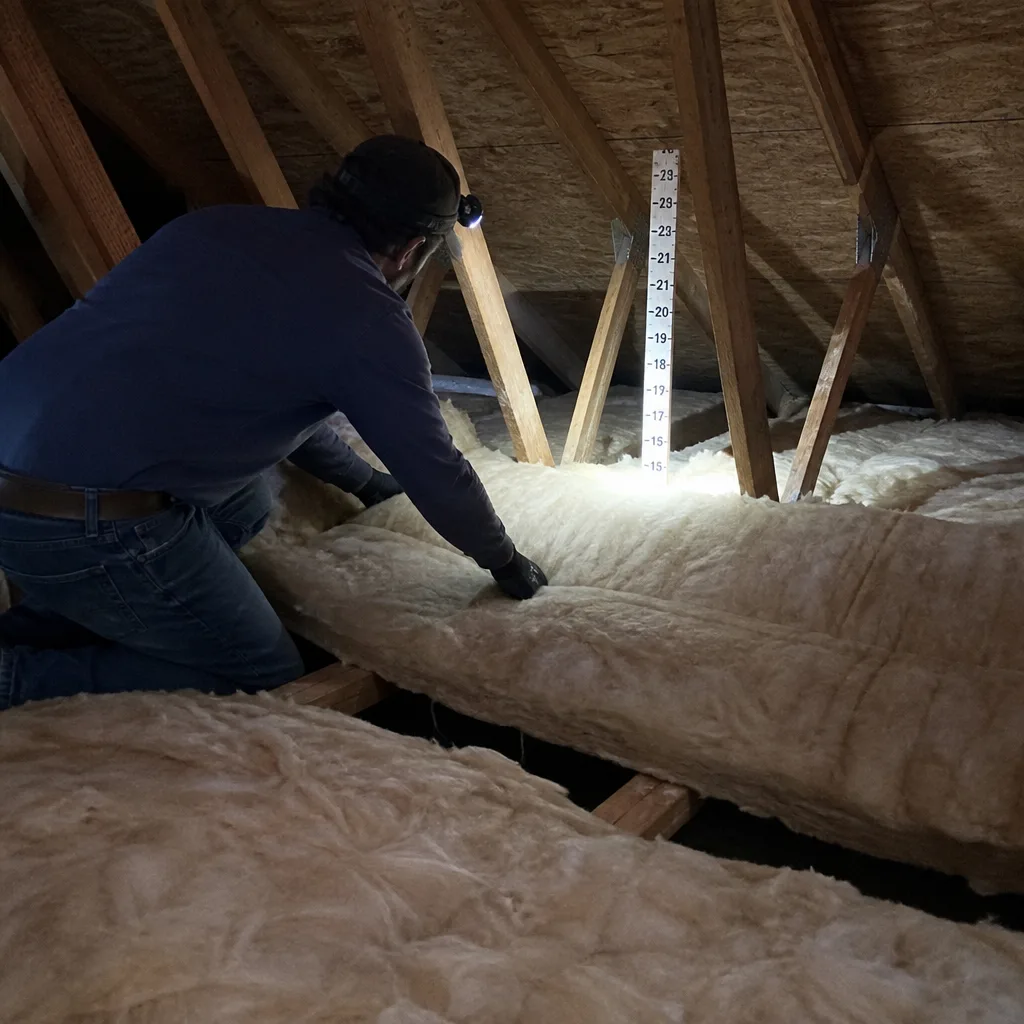
- Yellowing or browning of the foam surface. UV degradation from attic ventilation gaps or a failed radiant barrier lets light hit the foam, breaking down the polymer chain. In Schertz, this accelerates if your ridge vent was installed without proper baffling and summer sun streams in for six hours straight.
- Shrinkage and pull-back from framing members. Open-cell foam is vapor-permeable, which is normally fine, but if the original crew shot it too thin or in too cold an attic, the foam contracts over 3-5 years and gaps appear at the edges. We’ve measured 3/8-inch gaps in ten-year-old installations that the homeowner never saw from below.
- Crumbly texture when touched. Properly cured Icynene should feel firm, like dense angel food cake. If it powders under light finger pressure, the original mix ratio was off or moisture got in during cure. This is common in attics with roof leaks that went unaddressed for a season.
- Uneven temperature readings across the ceiling with a thermal camera. We shoot thermal imaging on every inspection. A healthy Icynene attic shows uniform surface temps; failures show hot spots where the foam has delaminated or compressed, typically near can lights or chimney chases where the original air sealing was skipped.
- Musty odor that worsens in humid weather. Open-cell foam allows vapor through, which is by design, but if the attic isn’t properly vented or the foam was sprayed over wet sheathing, that moisture gets trapped at the foam-wood interface. Schertz’s spring humidity spikes make this worse; we see it most in homes built 2015-2017 with inadequate soffit ventilation.
Replacement Cost & What’s Included
| Scope | Price Range in Schertz |
|---|---|
| Spot repair (1-2 bays, matched foam) | $680 - $1,200 |
| Partial re-spray (attic section, 300-500 sq ft) | $2,400 - $3,800 |
| Full attic removal and re-spray (1,500-2,000 sq ft) | $4,200 - $6,500 |
| Air sealing package (top plates, penetrations, can lights) | $890 - $1,450 |
What moves you up or down in that range: how much existing foam has to come out (removal adds $0.45-$0.65 per square foot), whether the roof deck needs drying time, and how many electrical or HVAC penetrations need sealing before new foam goes in. We won’t spray over failed foam; that’s Haven Standard Clause 1, and it means a written scope that says exactly what comes out and what goes back. Every job includes a Documented Photo Record and, on full replacements, before-and-after blower-door numbers so you see the actual air-leakage change. The 365-Day Done Right Promise covers the installation and materials.
DIY or Call Us?
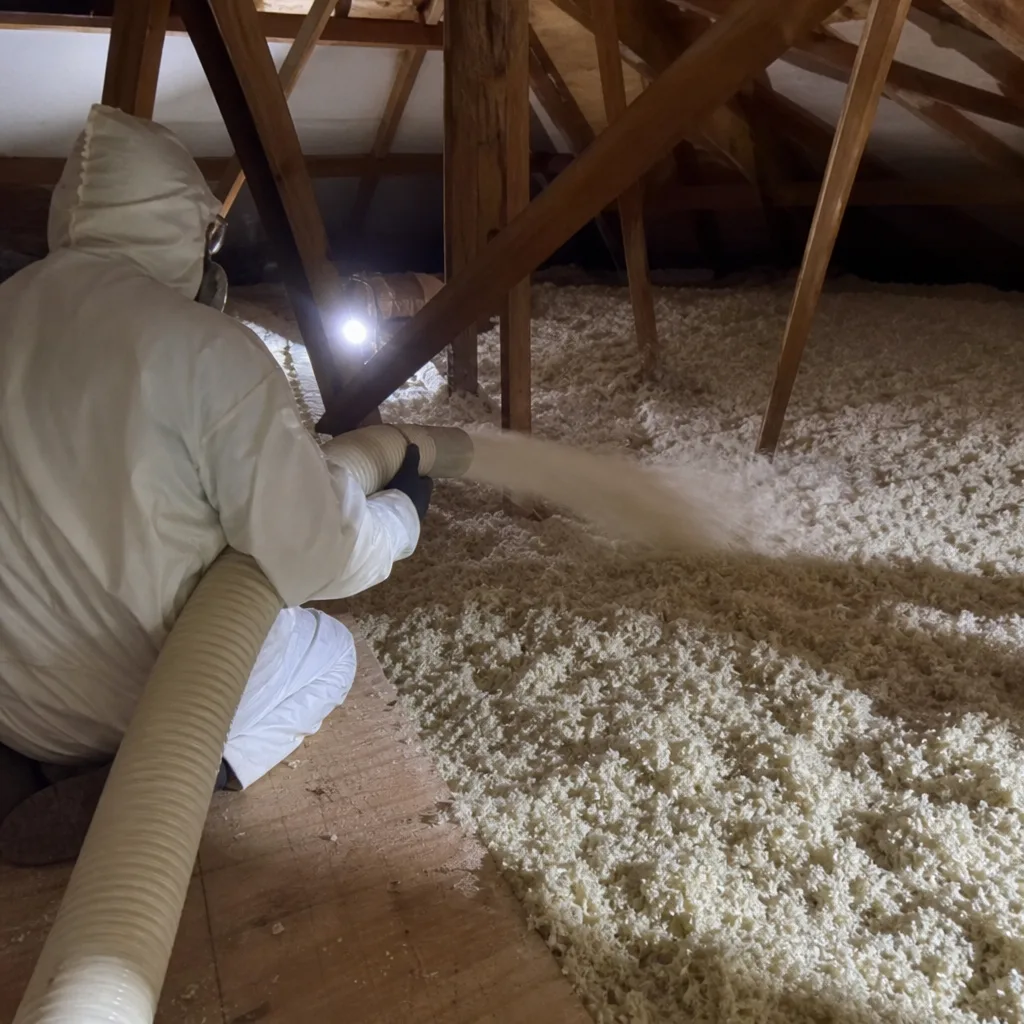
Here’s what you can safely check yourself: look at the foam color and texture from the attic access, sniff for mustiness, and note any rooms that won’t hold temperature. What you should not do: cut into existing foam to inspect deeper layers, attempt to patch with hardware-store canned foam, or spray any new material without verifying the substrate is dry and the ventilation is adequate. Two-part spray foam generates exothermic heat during cure; in a confined attic with the wrong mix, it can off-gas dangerously or adhere poorly and fail faster than what you’re replacing. We’ve been called to fix DIY patches in Schertz that trapped moisture against the roof deck and cost three times what the original repair would have.
Call (830) 402-5240 and we’ll walk through what you’re seeing. If it sounds like a match for what we handle, we’ll schedule an inspection, shoot thermal images, and give you a written price before any work starts. Seal the leaks first. Then insulate. The attic doesn’t care how thick the insulation is if the air is still moving through it.
FAQs
Properly installed and unexposed to UV or moisture, open-cell spray foam lasts 20-30 years. In Schertz, the failure mode we see isn’t age; it’s installation defects showing up at year 5-8: shrinkage from cold-weather application, moisture intrusion from roof leaks, or UV breakdown from unbaffled vents. Call (830) 402-5240 for an inspection if you’re in that window.
Localized damage can be cut out and patched if the surrounding foam is sound and we can match the series. Widespread shrinkage, moisture contamination, or delamination means removal back to substrate; patching over compromised foam traps the problem underneath. We document the recommendation with photos so you can see why.
A full attic removal and re-spray on a typical Schertz home runs two days: one for removal, drying verification, and air sealing; one for foam application and cure monitoring. Spot repairs usually finish in four to six hours. We don’t rush cure time; Haven Standard requires documented depth and temperature readings before we sign off.
We stock compatible open-cell foam and all air-sealing materials on our truck; matching the existing Icynene series or specifying removal and re-spray happens after inspection. Same-day inspection is usually available, and we can often start spot repairs within 24-48 hours. Full replacements require scheduling around cure time and weather.
Written by Wes Okafor, Owner, Topside Attic Insulation Schertz at Topside Attic Insulation Schertz, serving Schertz and nearby areas.