
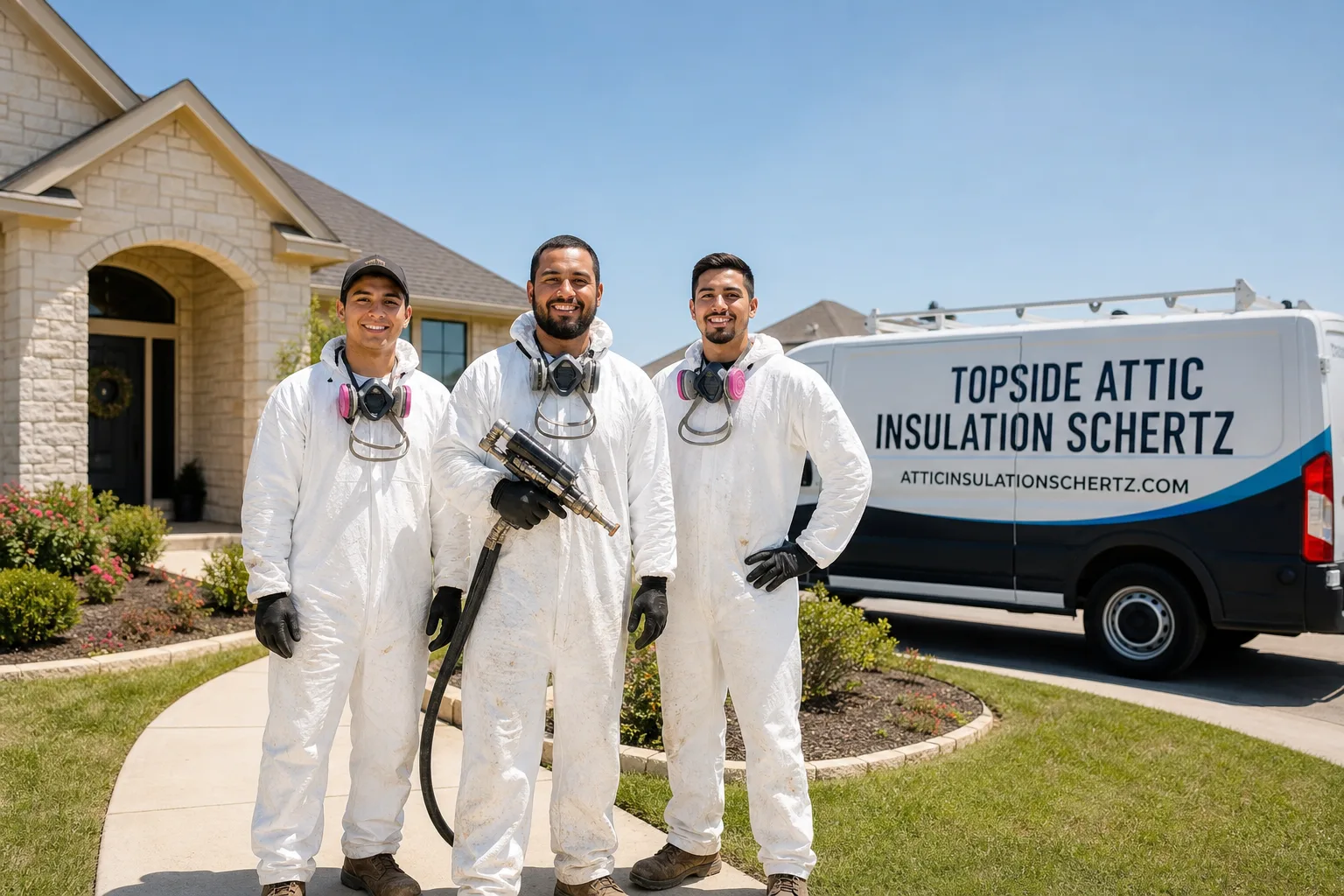
How Much Does Insulation Removal & Replacement Cost in Schertz?
Insulation removal and replacement in Schertz, TX typically runs between $1,400 and $4,200 for a standard attic in a single-story home, with most Schertz homeowners landing somewhere around $2,200 to $2,800 once air sealing is factored in. The range is wide because square footage, insulation type, contamination level, and whether the attic floor needs air sealing before new material goes in all push the number in different directions. Get a written price before anyone starts work – that’s the only way to know what you’re actually agreeing to pay.
Insulation Removal & Replacement Cost Breakdown (2026)
The table below reflects current Schertz market pricing as of 2026. These are real ranges from jobs completed in Schertz and the surrounding Guadalupe County area – not national averages adjusted downward by a percentage.
| Service Item | Typical Schertz Price Range | Notes |
|---|---|---|
| Attic insulation removal only (1,000-1,500 sq ft) | $600 – $1,100 | Vacuuming, bagging, and hauling old blown-in or batt material |
| Attic insulation removal only (1,500-2,500 sq ft) | $900 – $1,600 | Larger attics with deeper material take more time and disposal bags |
| Attic air sealing (top plates, can lights, penetrations) | $400 – $900 | Must be done before new insulation goes in – not optional on a proper job |
| New blown-in fiberglass installation (per 1,000 sq ft) | $500 – $900 | To R-38 or R-49; Schertz climate zone calls for R-38 minimum per current IECC |
| New blown-in cellulose installation (per 1,000 sq ft) | $450 – $850 | Dense-pack cellulose holds up well in Schertz attics that see 100-plus-degree summers |
| Spray foam air sealing at attic penetrations | $200 – $500 | Two-component closed-cell foam at top plates and chases |
| Contaminated insulation removal (rodent damage, mold) | Add $300 – $800 | Requires PPE, disinfectant treatment, and additional disposal protocol |
| Attic cleaning and sanitizing after removal | $250 – $600 | Recommended when pests or moisture were present before removal |
| Full removal and replacement (1,200 sq ft attic, no contamination) | $1,400 – $2,400 | Removal, basic air seal, new blown-in to R-38 |
| Full removal and replacement (2,000+ sq ft attic, with air sealing) | $2,800 – $4,200 | Larger home, deeper seal work, R-49 depth, documented blower-door result |
A few things push jobs to the high end of these ranges in Schertz specifically. Homes in the Schertz-Cibolo area built between 1985 and 2005 often have recessed can lights that weren’t air-gasketed at the factory – each one is a direct hole into conditioned space. Sealing those before blowing new insulation adds labor time but also adds measurable performance. We’ve run blower-door tests – a pressurization reading that shows, in one figure, how much conditioned air the building envelope is losing – on Schertz attics before and after a full removal-and-replacement job and regularly seen 30 to 45 percent reductions in air change rate when the sealing step isn’t skipped. That number shows up in the documentation we leave behind, not just in a feeling that the house is cooler.
Jobs on the lower end of the range are usually straightforward attic pulls in newer Schertz subdivisions like Crossvine or The Crossvine at Schertz with smaller footprints, no pest activity, and existing soffit-to-ridge ventilation that’s already clear. Jobs at the high end involve older homes closer to FM 78 or in established neighborhoods off FM 1518, where attic floors are cluttered with HVAC equipment, the existing insulation is compacted fiberglass from the early 1990s, and the air sealing work is substantial.
What Affects Insulation Removal & Replacement Pricing in Schertz
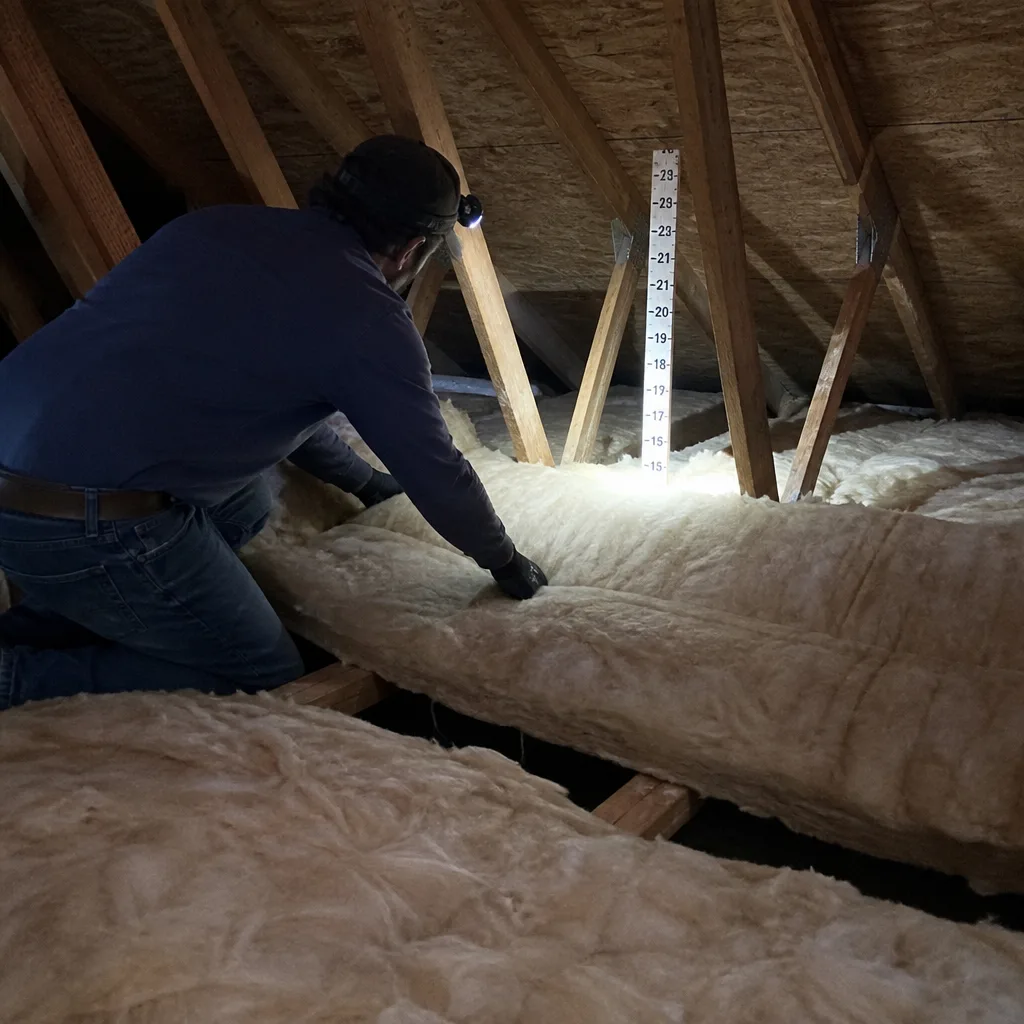
- Attic square footage: The single biggest cost driver. A 1,000-square-foot attic and a 2,400-square-foot attic are in different pricing tiers even with identical insulation types. Most single-story homes in Schertz run 1,200 to 1,800 square feet of attic floor space; two-story homes with partial attic coverage can be smaller but harder to access.
- Insulation type being removed: Old blown-in fiberglass vacuums out faster than compacted batts or the vermiculite-containing products occasionally found in Schertz homes built before 1980. Vermiculite requires testing for asbestos before any disturbance – that’s not a DIY call, and it adds cost and turnaround time to the project.
- Contamination level: Schertz sits in a part of Bexar-Guadalupe county where roof rat activity is documented year-round. When an attic has active rodent history, the old insulation is treated as contaminated material – additional PPE, biocide treatment, and a sealed disposal protocol all add to the job cost. We see this on a meaningful share of removal jobs in neighborhoods off Schertz Parkway and in the older sections near Randolph AFB.
- Air sealing scope: This is where we draw a hard line that some contractors don’t. We will not blow new insulation over an unsealed attic floor. Top plates, plumbing chases, recessed light housings, and HVAC boot penetrations are sealed first – with foam or mastic, depending on the gap size – before any new material goes in. On a house with many penetrations, that sealing step alone can take half a day. On a newer build with a clean attic floor, it takes an hour. The difference shows up in the quote.
- R-value target for new insulation: Schertz is in IECC Climate Zone 2B, which calls for R-38 to R-49 in attics depending on the code version in force when permits were pulled. Getting from existing degraded insulation (often testing at R-8 to R-12 in older Schertz homes after years of compression) up to R-49 requires significantly more material than topping off an attic that’s already at R-30. Depth matters, and every inch costs money.
- Access difficulty: Some Schertz homes – particularly the ranch-style builds in Scenic Hills and the older sections of Hal Baldwin – have attic hatches that are undersized, heavily built-up with spray foam from previous contractors, or positioned above closets with limited ladder clearance. More difficult access means slower material movement in and debris movement out, which adds labor time to both the removal and the installation sides of the job.
How to Save on Insulation Removal & Replacement
The first place money gets wasted on a removal-and-replacement job is hiring a crew to do removal only and then discovering the attic floor needs sealing before new insulation can go in – which means a second mobilization, a second setup charge, and scheduling delay. Get both scopes quoted and scheduled together. The material cost doesn’t change, but one truck movement instead of two removes a real line item.
Second, get a second opinion on any written estimate before you commit. That’s not disloyal – it’s basic due diligence on a $2,000-plus project. Bring us a competing quote and we’ll read it with you, line by line. Under the Haven Standard, that second-opinion service is free, and we’ll tell you if the competing scope is actually covering the same work or if it’s missing the air sealing step that makes the new insulation perform the way it should.
Third, consider timing. Schertz summers make attic work brutal in July and August – not because we won’t do it, but because heat affects crew efficiency and some foam products have temperature-dependent cure windows. Jobs scheduled in October through February tend to move faster, and faster work is less expensive work when labor is billed by the hour on anything that isn’t flat-rate. Ask about scheduling when you get the written quote.
Fourth, don’t over-specify the R-value. R-60 in a Schertz attic is diminishing returns. The thermal performance curve flattens significantly above R-49 in Climate Zone 2B, and the extra material cost rarely pays back in energy savings on the Schertz CPS Energy rate schedule. R-38 meets code; R-49 is the sweet spot for most homes here. Going above that is a personal choice, not a requirement.
Fifth, check with CPS Energy before the job starts. CPS Energy offers rebates on qualified insulation upgrades in Bexar County and surrounding service territories. The rebate structure changes periodically, so don’t count on a specific dollar figure from what you read last year – call CPS Energy directly or ask us to pull the current rebate sheet when we put your estimate together. A $200 to $400 rebate on a $2,500 job isn’t nothing.
To get a written price before anyone starts work, call (830) 402-5240. The estimate is free, it covers both our Insulation Removal & Replacement services in a single scope, and it includes the air sealing work – not as a separate surprise line item, but as part of what a proper job actually costs in Schertz.
How the Removal & Replacement Process Works
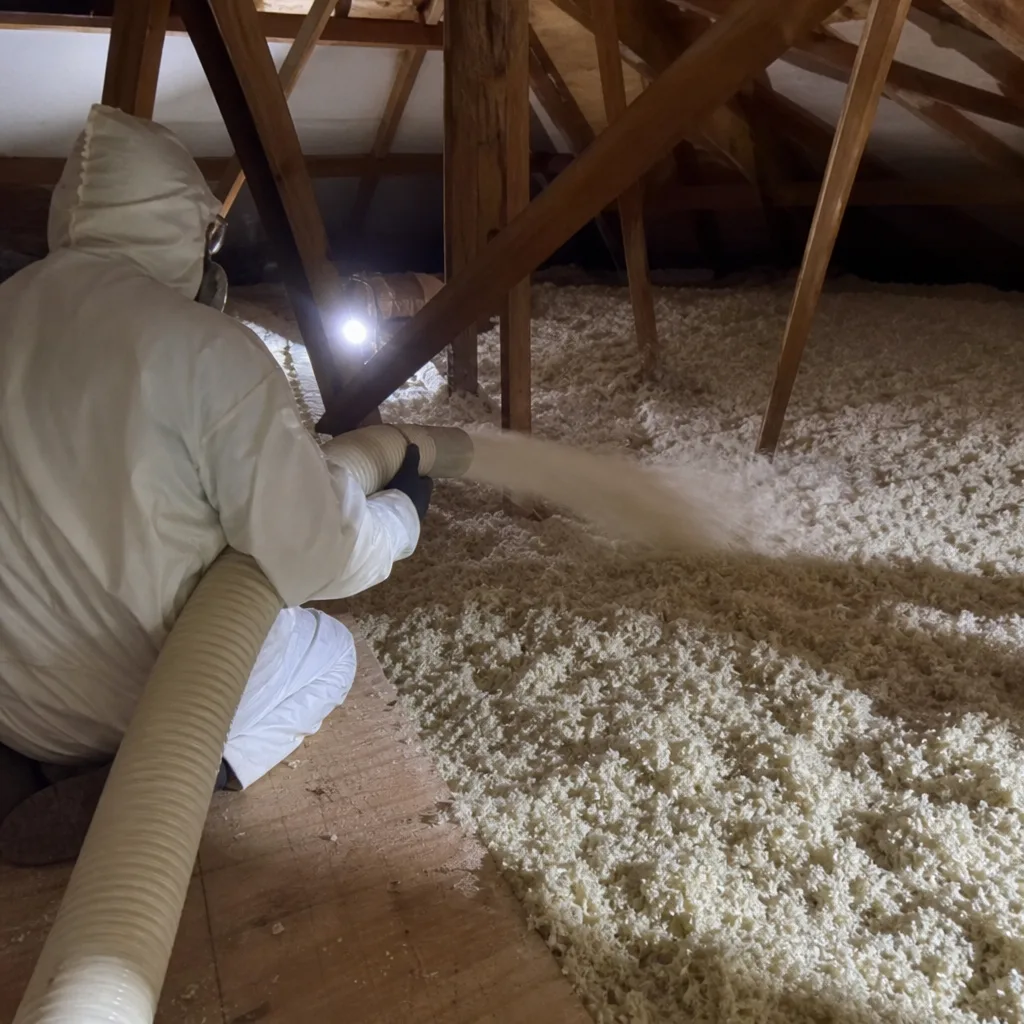
Understanding what you’re paying for makes a written quote easier to evaluate. Here’s how a standard removal-and-replacement job runs from first visit to final documentation at Insulation Removal & Replacement in Schertz.
Step 1: Assessment and Written Price
Before any tools come off the truck, a technician walks the attic and records square footage, existing insulation depth and type, visible air leak points, ventilation condition, and any contamination indicators. That walkthrough produces a written scope and a flat price – Haven Standard Clause 1, no exceptions. You know what you’re paying before we schedule the crew.
Step 2: Pre-Removal Setup and Protection
The living space below the attic hatch gets protected with drop cloths and a temporary seal around the hatch opening to keep debris and fine particulates out of the home. The vacuum hose routes from the truck-mounted HEPA unit through the hatch and into the attic. This setup takes 20 to 40 minutes and is part of the labor cost, not an add-on.
Step 3: Insulation Removal
Old insulation is vacuumed into disposal bags in the truck bed. The crew works in sections, clearing the attic floor down to the drywall. On a typical 1,500-square-foot Schertz attic with 10 to 14 inches of old blown-in, removal takes three to five hours. Contaminated material is double-bagged and disposed of separately per Guadalupe County solid waste protocol.
Step 4: Air Sealing – Before Any New Insulation Goes In
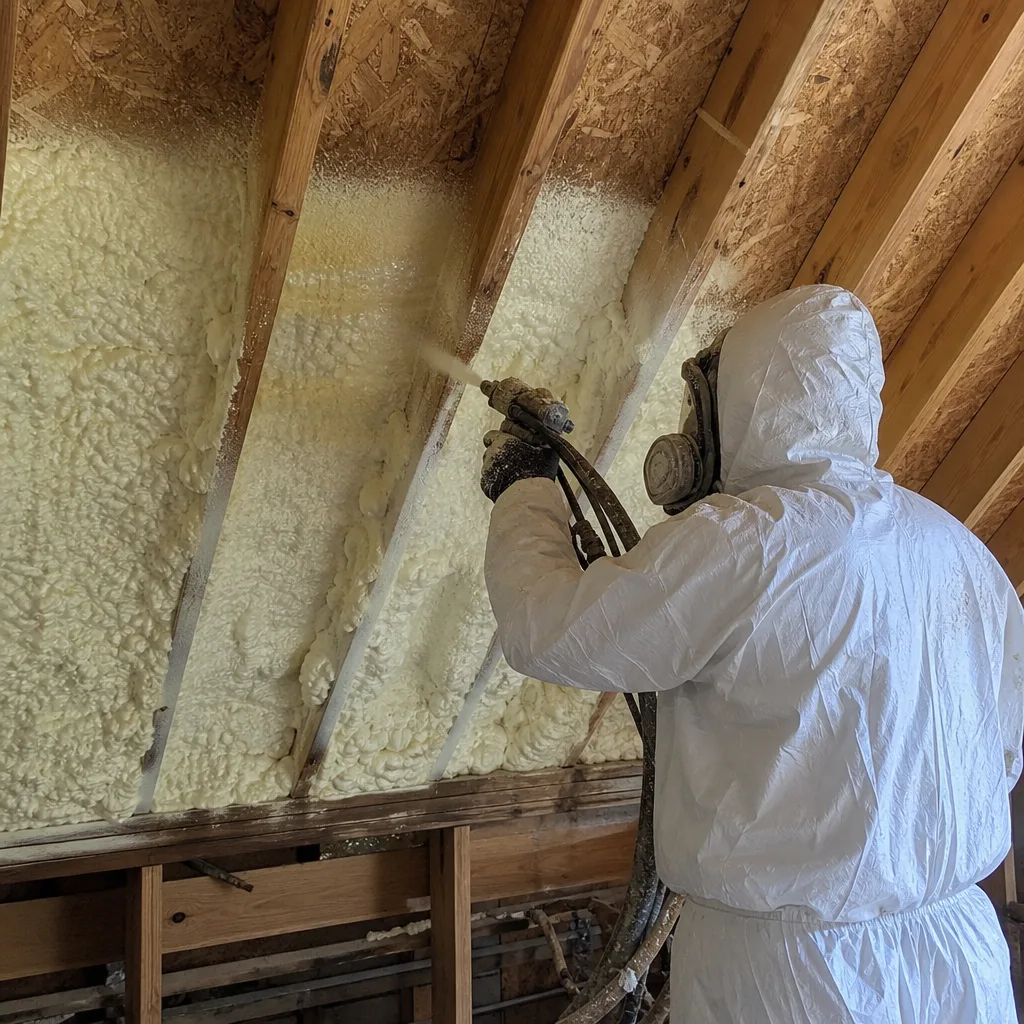
This is the step that separates a performance job from a cosmetic one. With the attic floor clear, every penetration is visible and accessible. Top plates get foam or caulk. Recessed light housings get sealed or capped. Plumbing and electrical chases get closed. HVAC boot connections get mastic. This is the only point in the project where air sealing can be done correctly – once new insulation covers the attic floor, these gaps are buried and inaccessible without starting over.
On applicable jobs, we run a blower-door test after sealing and before the new insulation goes in. That reading, compared against a baseline from the assessment, is part of the documented record you receive at the end of the job. If you want to verify that the air sealing actually changed the building envelope’s performance, that number is how you do it.
Step 5: New Insulation Installation
Blown-in fiberglass or cellulose is installed to the specified depth. Material is sourced from suppliers including Owens Corning, Johns Manville, Knauf, and GreenFiber – whatever product suits the attic geometry and R-value target, not whatever happens to be on the truck that day. Depth markers are installed so you can verify R-value from the attic hatch without needing special equipment.
Step 6: Documented Photo Record and Closeout
Every visit ends with a Documented Photo Record – before and after photos of the attic floor, the sealed penetrations, the new insulation depth at multiple points, and the blower-door readings if applicable. That record is delivered to you at job closeout. It’s not available on request or emailed a week later – it’s part of what leaving looks like on every job we run.
Why Air Sealing Has to Come First
This point is worth spelling out because a lot of Schertz homeowners have had insulation blown in over an unsealed attic floor and paid for a job that didn’t perform the way they expected. Insulation slows conductive heat transfer – the movement of heat through solid material. It does almost nothing to stop convective air movement – the actual infiltration of hot, humid Schertz air through gaps into the conditioned space below.
In the summer, when attic temperatures in Schertz routinely hit 140 to 150 degrees Fahrenheit, an unsealed attic floor with 10 inches of blown-in fiberglass is still pumping hot air into the living space through every top plate gap and recessed light housing. The insulation is doing its job; the problem is that air bypasses insulation entirely. That’s why blower-door readings on homes we assess in Schertz often show air change rates 40 to 60 percent higher than the same square footage in a properly sealed home.
Sealing first, then insulating – in that order – is not a preference or an upsell. It’s the sequence that makes the insulation work. We’ve held this line since 2016 and we don’t make exceptions to it.
Schertz-Specific Factors Worth Knowing
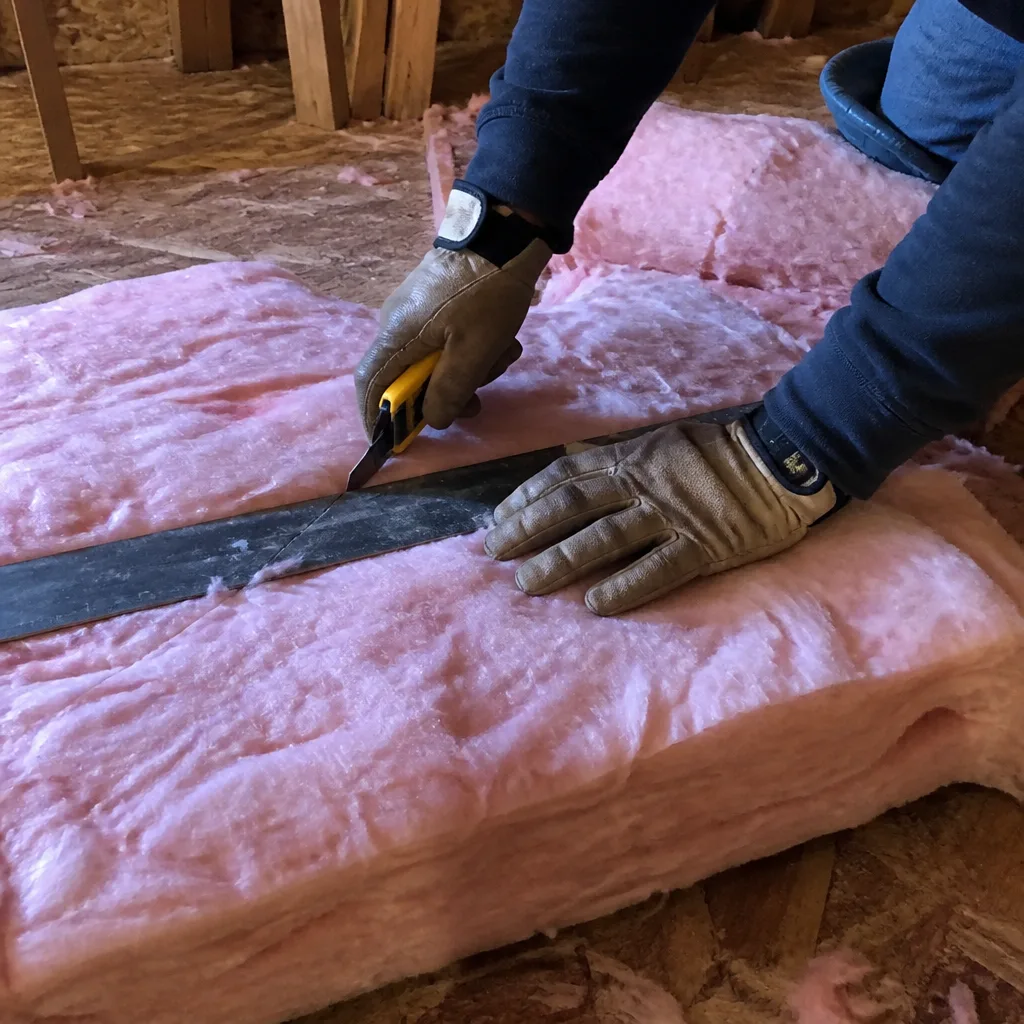
Schertz sits in IECC Climate Zone 2B, which means the code minimum for attic insulation in new construction is R-38. Most older homes in Schertz – particularly those built in the 1980s and 1990s in subdivisions like Scenic Hills, Green Valley Farms, and Elbel Road neighborhoods – have existing insulation that tested well below that when it was installed and has since compacted further. R-11 to R-19 is common in those attics today, measured with a probe, not estimated.
Schertz also sits close enough to the Guadalupe River drainage to see humidity spikes that accelerate moisture damage in attic insulation. Fiberglass batts that were installed against the roof deck rather than laid on the attic floor – a common misapplication in the 1990s – often show moisture staining and reduced effective R-value even when they look intact from below. Removal is the right call in those cases, not a top-up.
Randolph AFB’s proximity affects some neighborhoods along FM 78 and Schertz Parkway, where older government-adjacent housing stock was built to different standards than residential code required. We’ve seen attic configurations in those areas that required custom air-sealing approaches because the framing geometry didn’t follow standard residential practice. It’s not a problem – it’s just worth knowing before the crew shows up.
Permit requirements in Schertz for insulation removal and replacement are minimal for standard residential work – Guadalupe County and the City of Schertz don’t require a building permit for like-for-like insulation replacement in an existing attic. If the project involves structural changes to the attic or modifications to HVAC equipment, that’s a different conversation. Your written scope will note whether any permit is required for your specific job.
Comparing Quotes: What to Look For
If you’re comparing quotes from multiple Schertz insulation contractors, the line items to check are straightforward. First, does the quote explicitly include attic air sealing, or is it removal and installation only? A quote missing the air sealing step isn’t a better deal – it’s an incomplete job. Second, what is the specified R-value of the new insulation, and what depth of material achieves that R-value for the product being installed? A quote that says “R-38” but specifies a product that requires 13 inches to reach R-38 needs to commit to 13 inches in writing. Third, does the quote include disposal of the old material, or is that a separate line? Disposal is real cost, and quotes that omit it look cheaper than they are. Fourth, what documentation is included at closeout? Photos and a blower-door reading are standard on our jobs. If a competing quote doesn’t specify, ask.
Under the Haven Standard, we offer a free second opinion on any written estimate. Bring the competing quote when we do the assessment walkthrough and we’ll compare scopes with you before we put ours together. That’s not a sales tactic – it’s how a written price should work when the person quoting knows their numbers.
For more on what the full building envelope service looks like in this area, visit the home page.
FAQs – Insulation Removal & Replacement Cost in Schertz, TX
How much does insulation removal cost in Schertz without replacement?
Insulation removal only in Schertz runs $600 to $1,600 depending on attic size and material condition, with most 1,200-to-1,800-square-foot attics landing between $750 and $1,200. That price covers vacuuming, bagging, and hauling the old material. It does not include air sealing or new insulation. If you’re removing and not replacing – for a sale inspection or pre-renovation access, for example – removal-only is a valid scope. If you’re planning to re-insulate afterward, pricing both steps together as a single project usually saves money on mobilization. Call (830) 402-5240 for a written price on your specific attic.
How much does full removal and replacement cost for a typical Schertz home?
A full removal-and-replacement job on a typical Schertz single-story home with 1,200 to 1,800 square feet of attic floor runs $1,800 to $3,200 with air sealing included and new blown-in insulation to R-38. Larger homes, contaminated insulation, or R-49 depth targets push that to $2,800 to $4,200. Every job starts with a written flat price – no hourly billing, no scope creep. Call (830) 402-5240 for a free estimate with a written scope before work starts.
Does insulation removal require a permit in Schertz, TX?
Like-for-like insulation removal and replacement in an existing Schertz attic does not require a building permit from the City of Schertz or Guadalupe County under current code. No structural changes, no HVAC modifications, no permit required. If your job involves changes beyond standard insulation work, your written scope will specify whether a permit is needed. We handle that clarification during the assessment – you won’t find out at the last minute.
Is it cheaper to add insulation on top or do a full removal and replacement?
Adding insulation on top costs less upfront – roughly $450 to $900 per 1,000 square feet for blown-in to bring an attic from R-11 to R-38. Full removal and replacement runs $1,400 to $4,200 depending on attic size. The add-on approach makes sense when the existing insulation is clean, dry, structurally intact, and evenly distributed. It does not make sense when the existing material is contaminated, moisture-damaged, compacted below an effective R-value, or covering unsealed penetrations. Burying air leak points under additional insulation locks them in place permanently. We check the existing material on every assessment and tell you which approach is actually warranted for your attic – not whichever costs more.
Can Schertz homeowners get a rebate on insulation replacement?
CPS Energy offers rebates on qualified insulation upgrades in its service territory, which covers most of Schertz and the surrounding Guadalupe County area. Rebate amounts change, so the current figure should be confirmed directly with CPS Energy before the job – but $200 to $400 back on a qualified project has been achievable in recent program cycles. Ask about this when we put your estimate together and we’ll pull the current rebate information. The rebate doesn’t affect your written price with us, but it reduces your net cost after the job is complete.
How long does removal and replacement take in a typical Schertz attic?
A standard 1,500-square-foot Schertz attic – removal, air sealing, and new blown-in to R-38 – typically runs one full day with a two-person crew. Larger attics, significant contamination, or extensive air sealing work can push that to a day and a half. We don’t compress schedules to fit more jobs in a day; the air sealing step takes as long as it takes. Your written scope will include an estimated completion window so you know what the day looks like before anyone arrives.
Key Takeaways
- Insulation removal and replacement in Schertz typically runs $1,400 to $4,200 for a full attic job with air sealing included.
- Removal only (no replacement) runs $600 to $1,600 depending on attic size and material condition.
- Air sealing must come before new insulation – not as an upsell, but as the step that makes the insulation perform in Schertz’s Climate Zone 2B heat.
- Contaminated insulation (rodent activity, moisture damage) adds $300 to $800 to removal cost and requires a different disposal protocol.
- CPS Energy rebates of $200 to $400 may be available on qualified projects – confirm current amounts with CPS Energy before scheduling.
- Every job starts with a written flat price and ends with a Documented Photo Record – no exceptions under the Haven Standard.
- Wes Okafor leads the Envelope Insulation Co. team that has completed this work on more than 9,000 homes since 2016, each one with a written price before work started.
Get a Written Price Before Any Work Starts
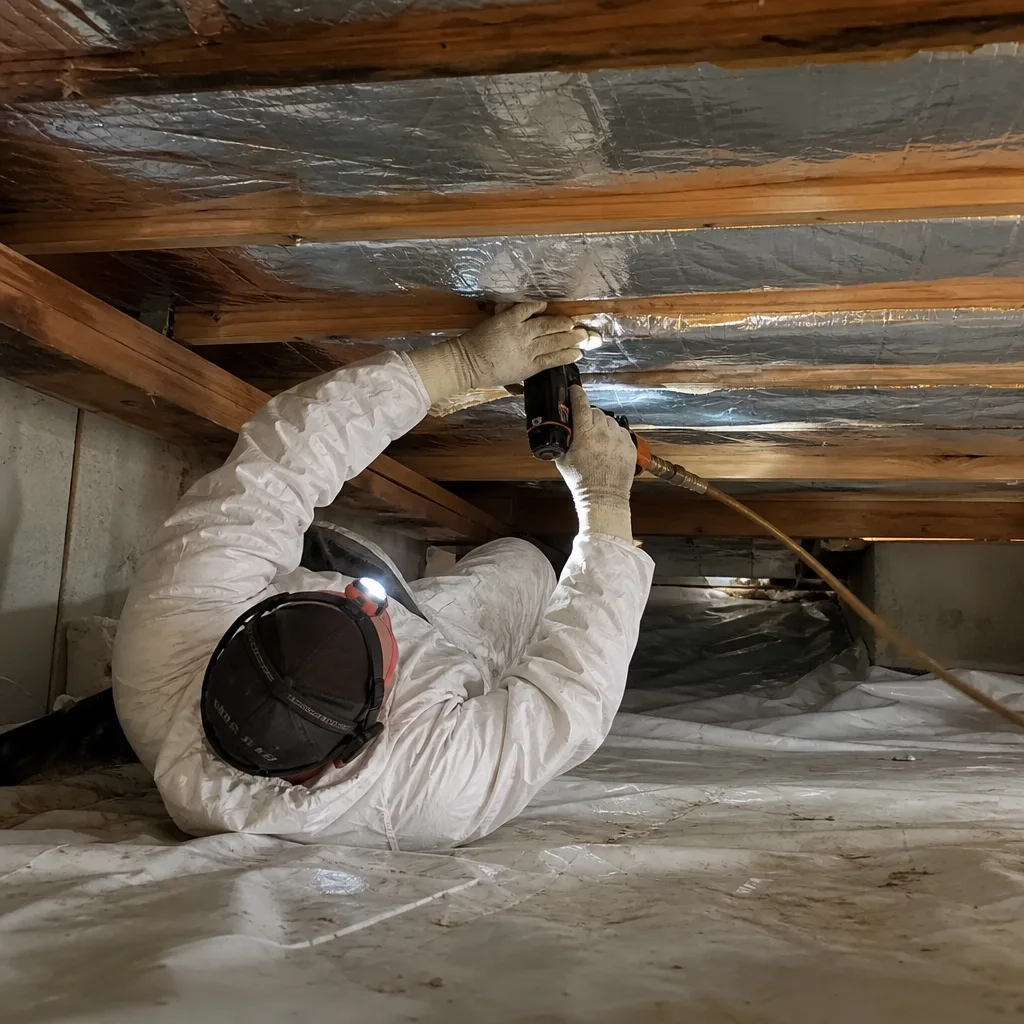
If your Schertz attic has old insulation that needs to come out – whether it’s compacted fiberglass from 1994, contaminated material after a rodent problem, or moisture-damaged batts that haven’t been right since a roof leak – the first step is a written assessment of what’s actually up there and a flat price for the full scope.
Wes Okafor and the Envelope Insulation Co. team have been doing this work in Schertz since 2016. Every removal-and-replacement job starts with a written price and ends with a Documented Photo Record and, on applicable jobs, before-and-after blower-door numbers that show what the air sealing actually changed. The 365-Day Done Right Promise covers the completed work in writing.
Call (830) 402-5240 to schedule a free assessment. A live person answers – no voicemail, no callback window. The written estimate is free, the scope is specific to your attic, and no work starts until you’ve seen the price in writing and agreed to it.
Pricing reflects the Schertz, TX market as of 2026. Written by Wes Okafor, Owner at Topside Attic Insulation Schertz, serving Schertz since 2016.
What Our Customers Say
"The winter gas bill dropped by about a third. They had estimated a quarter, so they under-promised."
- Genevieve R."Two other companies quoted to blow more insulation on top of what was there. These were the only ones who said the existing material had to come out first, and explained why."
- Clifford E."Fixed price, clean work, and they hauled the old material away as agreed."
- Todd M.