
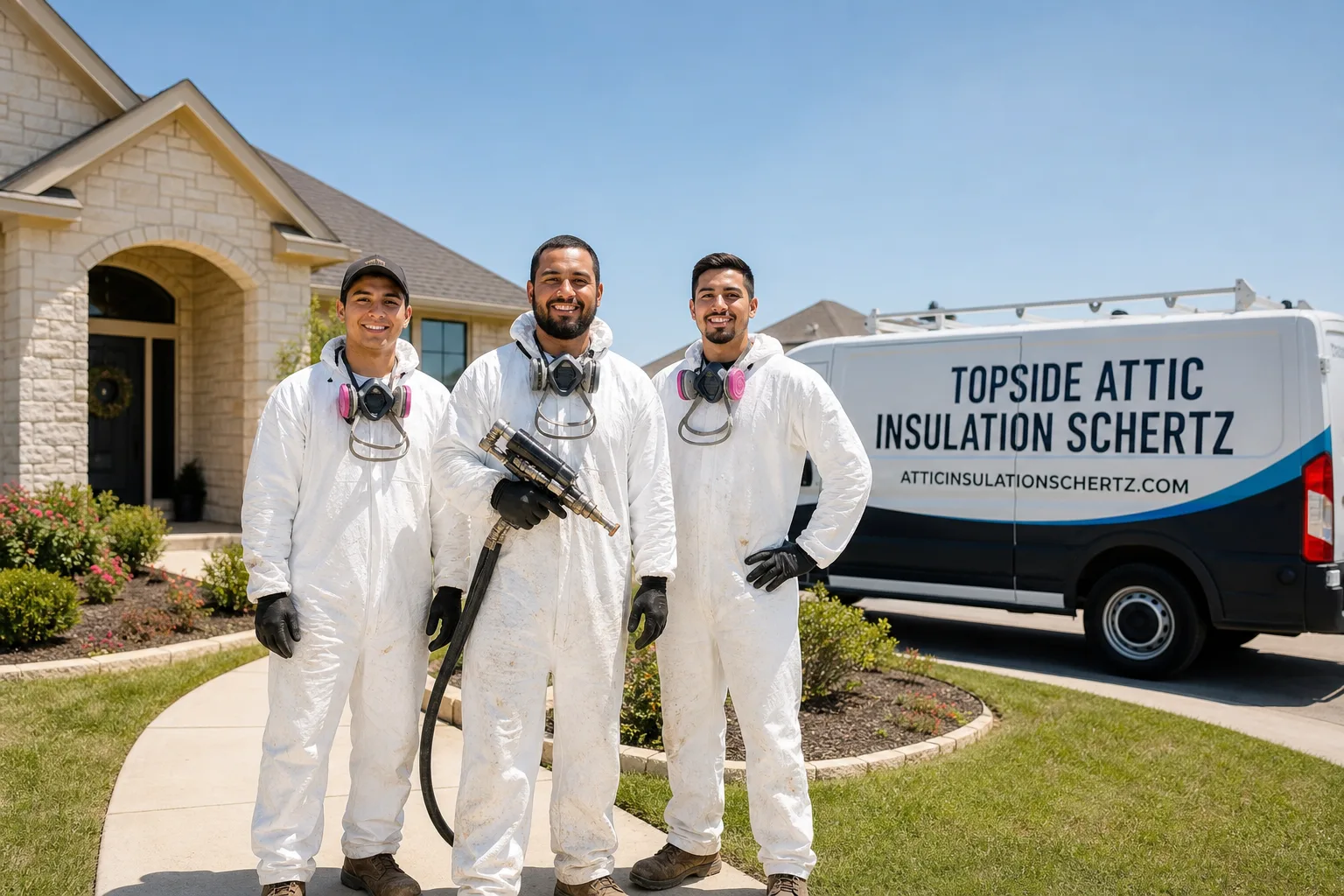
Fast, Reliable Spray Foam Insulation Across Selma
Spray foam insulation in Selma typically runs $1,800-$4,500 for residential attic work and $3,200-$7,800 for full roof-deck applications, with most jobs scheduled within 48 hours and completed in one day. We’re the Spray Foam Insulation crew that treats Selma’s specific housing stock, not a generic house type. Our San Antonio office dispatches crews directly to Selma neighborhoods, and a live person answers (830) 402-5240 around the clock.
Selma sits at the intersection of Loop 1604 and I-35, and that location shaped everything about how this city was built. The residential explosion here happened between the mid-1990s and the early 2010s, which means the vast majority of homes you’ll find in Selma neighborhoods like The Meadows, Woodbridge, and Retama Springs are now 15 to 30 years old. They were built to pre-IECC 2009 minimum insulation standards. The blown fiberglass or cellulose in those attics has been baking through five-plus months of 90°F-plus heat every year since. Attic cavities in Selma routinely climb past 140°F. That original insulation has settled, compressed, and degraded. We’re the crew that knows what that looks like, how to test for it, and what actually fixes it.
Why Topside Attic Insulation Schertz Is Selma’s Preferred Spray Foam Insulation Company
We’ve sealed and insulated more than 9,000 homes since 2016, and a significant share of that work has been in the Selma-Schuertz-Cibolo corridor where the housing stock is nearly identical. Our crews know the 1990s brick-veneer tract builds, the vented attic configurations, and the specific failure patterns that develop after two decades of thermal cycling. When we pull up to a Selma address, we’re not guessing at what’s in the walls or overhead.
Selma homeowners who’ve used us leave documented reviews citing the blower-door numbers we provide, the photo records they walk away with, and the written price they received before anyone touched a tool. The pattern we see in feedback from Selma is consistent: customers researched thoroughly, compared estimates, and chose us because we showed them the data rather than making them take our word for it.
Response time to Selma runs same-day or next-day for most spray foam consultations, and emergency air-sealing calls during peak summer load get prioritized. Dispatch coordinates from our San Antonio office, but the crew that arrives at your Selma home is the crew that does the work, not a rotating subcontractor pool.
Our Spray Foam Insulation Services in Selma
Closed-Cell Spray Foam
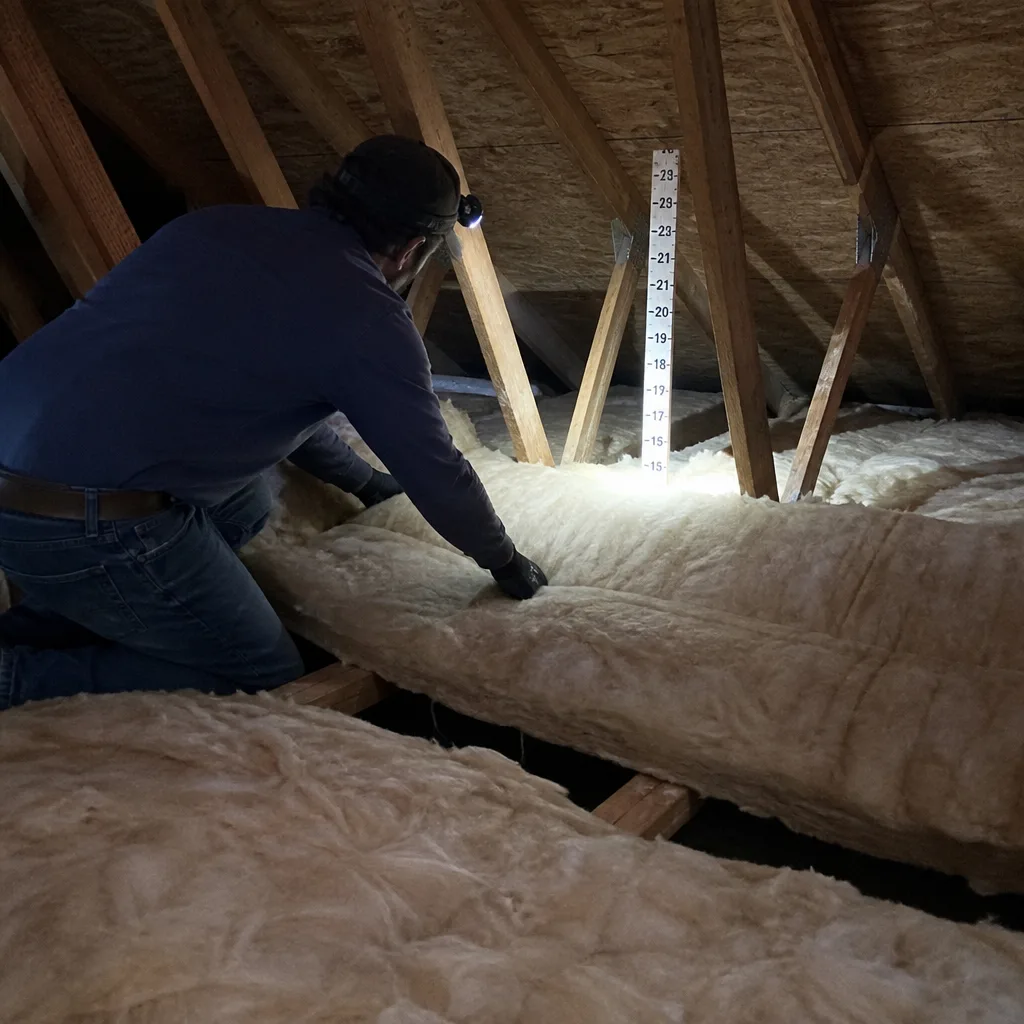
Closed-cell spray foam is the denser, higher-R-value option, rated at roughly R-6.5 per inch, and it’s what we use for Selma’s rim joists, crawl spaces, and any application where moisture resistance matters. In Selma’s humid subtropical climate, closed-cell performs critical work at the building envelope’s weakest points. We see the most dramatic results when we apply closed-cell to the rim joists and band boards of 1990s-2000s tract homes where the original builder left these areas unsealed. The foam creates both an air barrier and a vapor retarder in one pass. For Selma’s 2×4 wall cavities, we stay within thickness limits to preserve the wall assembly’s ability to dry, avoiding the mortar-joint stress that over-application can cause on brick-veneer exteriors.
Open-Cell Spray Foam
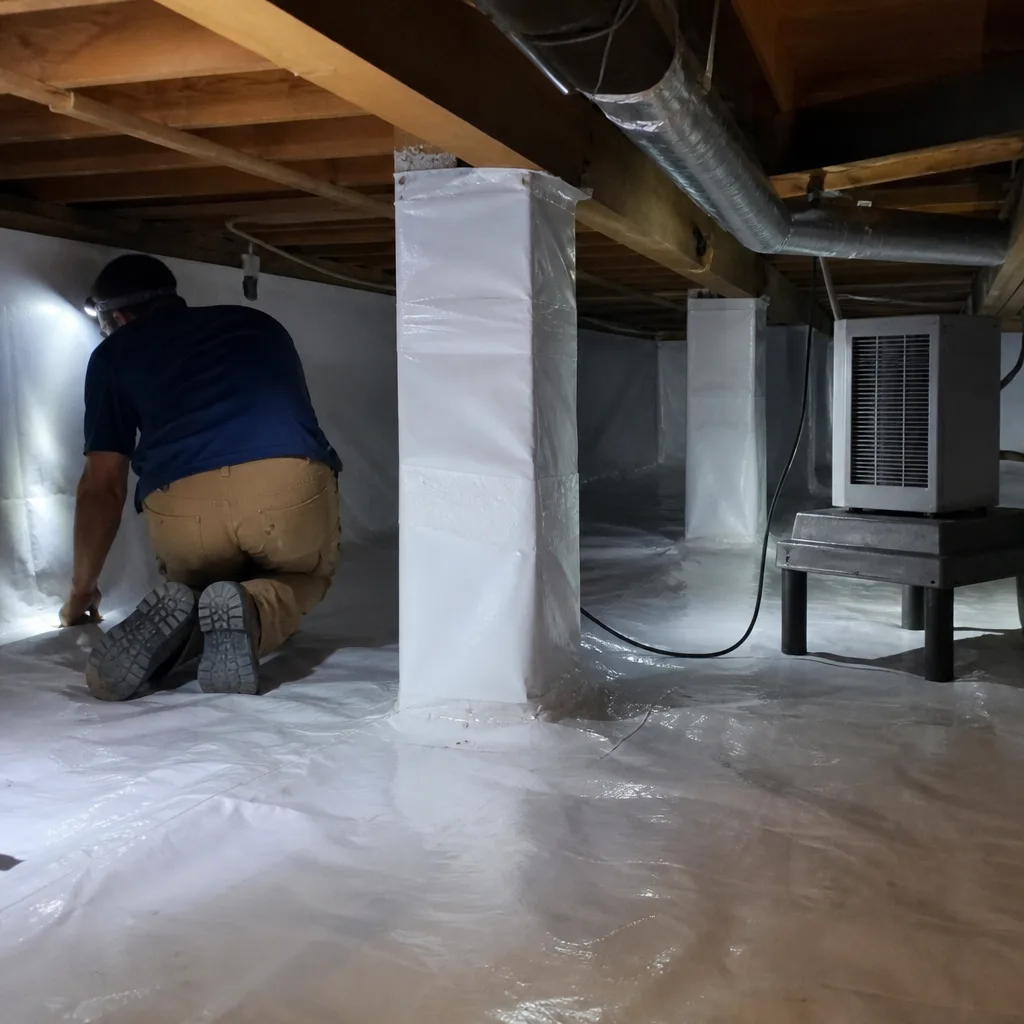
Open-cell spray foam runs lighter, at roughly R-3.8 per inch, and it’s permeable to moisture vapor, which makes it appropriate for Selma attic floors and roof decks where controlled drying is desired. This is where we do our most transformative work in Selma’s older tract housing. The field vignette that sticks with us: we were called to a mid-1990s brick-veneer tract home just off the Loop 1604/I-35 interchange where the homeowner’s August cooling bill had crept up 40% over three summers. The attic held settled blown fiberglass well below its original R-value, and the rim joists and top plates were unsealed with visible daylight at the wall-to-roof transition. We removed the collapsed insulation, air-sealed the rim joists with closed-cell spray foam, and applied open-cell spray foam across the attic floor and roof deck, dropping the attic temperature 25°F during a 102°F afternoon test and cutting the homeowner’s next cooling bill by roughly a third. Open-cell’s vapor permeability let the roof deck continue to dry inward, which matters in Selma’s humidity.
Rim Joist Spray Foam
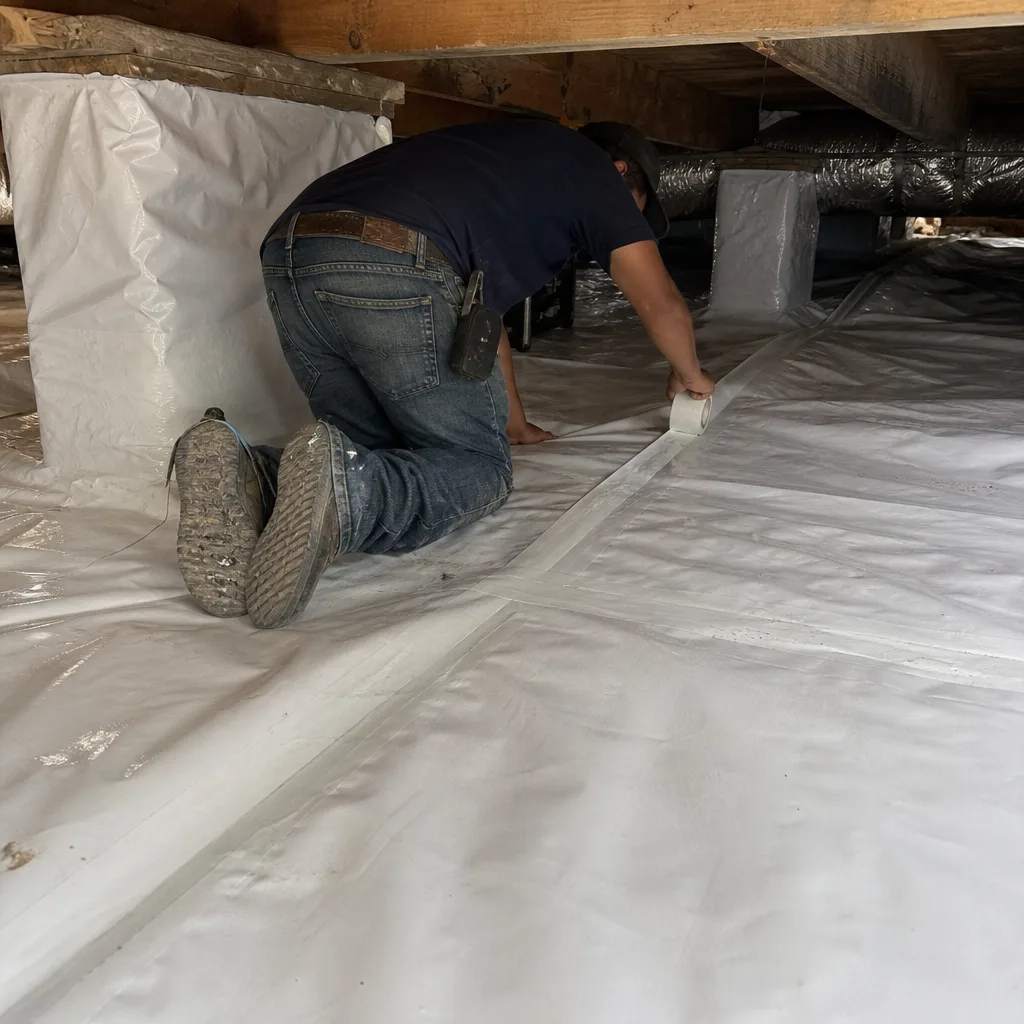
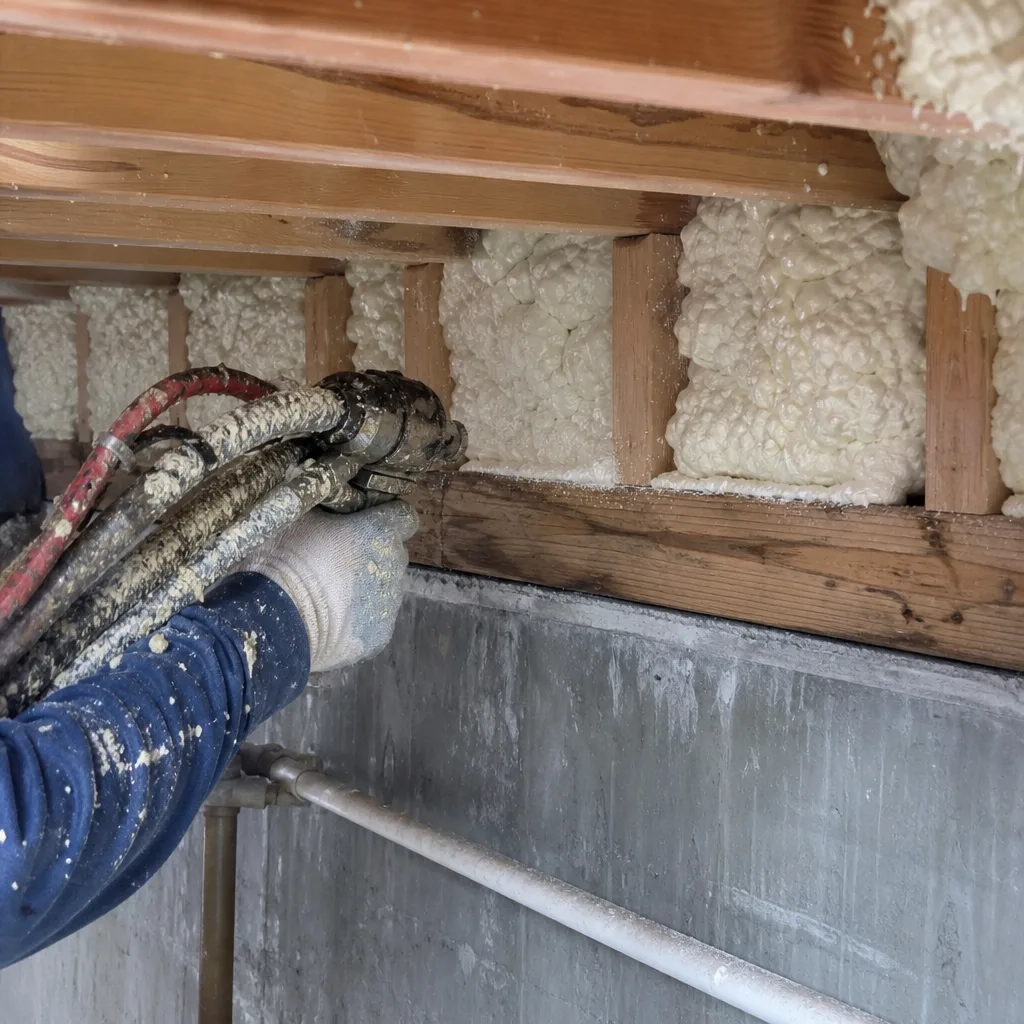
The rim joist, also called the band joist, is the horizontal board where your foundation walls meet your first floor. In Selma’s 1990s-2000s tract homes, this area was almost never properly air-sealed at original construction. It’s the dominant air-leak path in most of these houses, and it’s why new attic insulation alone often disappoints. We apply closed-cell spray foam to rim joists as a standard prerequisite step, never as an upsell. Skip this, and your conditioned air bleeds straight to the exterior through gaps you can’t see from inside the living space. We document the before-and-after with blower-door readings so you can verify the seal.
Garage Ceiling Spray Foam
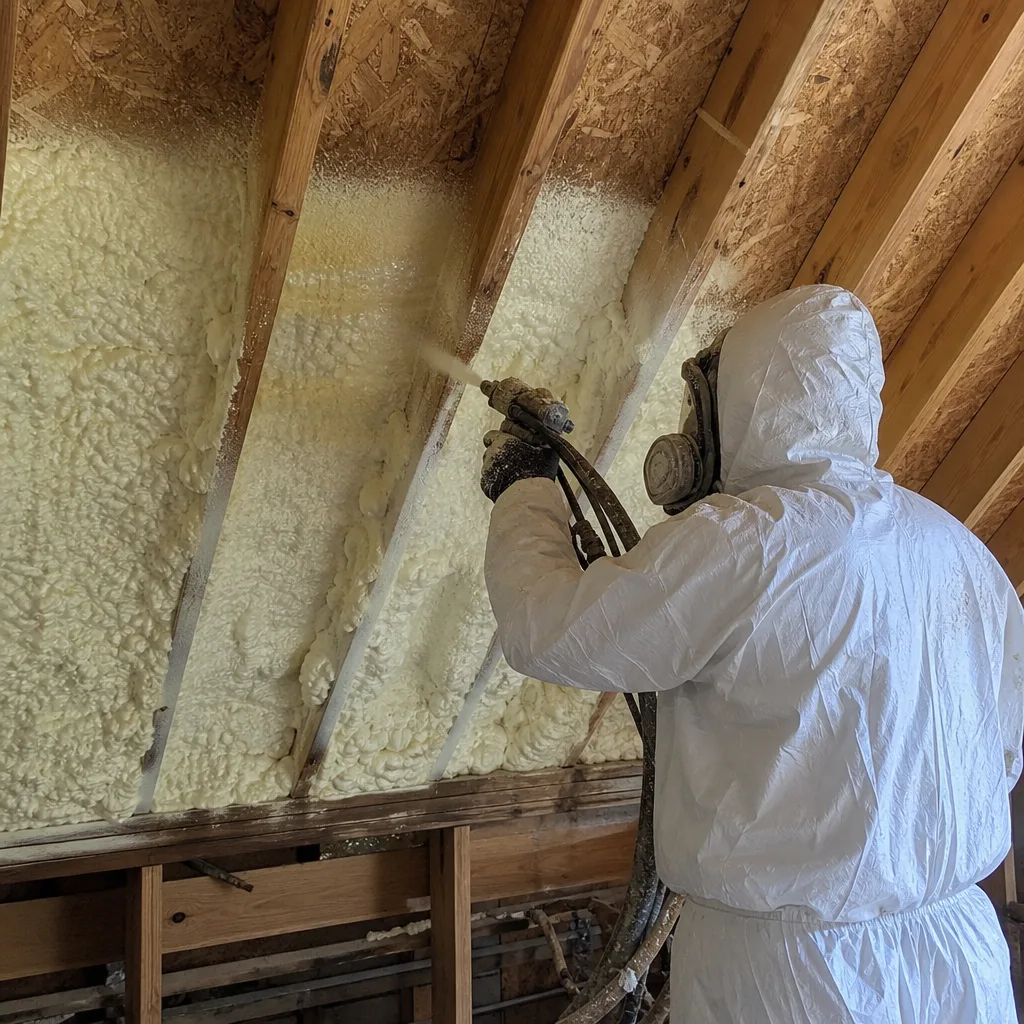
Selma’s attached garages share attic space with conditioned rooms above or beside them, and uninsulated garage ceilings become thermal bridges that pull conditioned air out of bedrooms and living spaces. We spray open-cell foam across garage ceiling decks to create a continuous thermal boundary, especially important in homes where the master bedroom sits over the garage, a common layout in Selma’s 2000s-era subdivisions.
Spray Foam Roof Deck
Roof-deck spray foam converts a vented attic into a conditioned, semi-conditioned, or unvented assembly, depending on the application strategy. In Selma, where attic temperatures exceed 140°F for months, this is often the only way to stop thermal degradation at its source. We apply open-cell foam directly to the roof deck underside, creating a thermal barrier that keeps the attic within 10-15°F of the living space below. This approach also eliminates the need for soffit and ridge ventilation, which in Selma’s older tract homes is frequently inadequate or blocked by the original blown insulation.
What happens when you call
- 1
A real person answersNo phone trees - you reach a local pro.
- 2
You get an upfront price rangeHonest numbers before anyone is dispatched.
- 3
A background-checked tech heads outLicensed & insured, dispatched right away.
- 4
You approve before work beginsNothing starts until you say go.
Trusted Brands We Service in Selma
We source spray foam materials from Icynene, Demilec, and Owens Corning, among other manufacturers, and we do not lock customers into proprietary product lines. For Selma jobs, we stock the common closed-cell and open-cell formulations that match the climate demands of the San Antonio metro, including higher-density closed-cell options for rim-joist work where moisture resistance is critical. Because we work with multiple suppliers, replacement foam and touch-up kits are available without the extended lead times that single-source contractors face. If your Selma home was previously insulated with a specific brand, we can match or transition appropriately.
Common Spray Foam Insulation Problems We See in Selma Homes
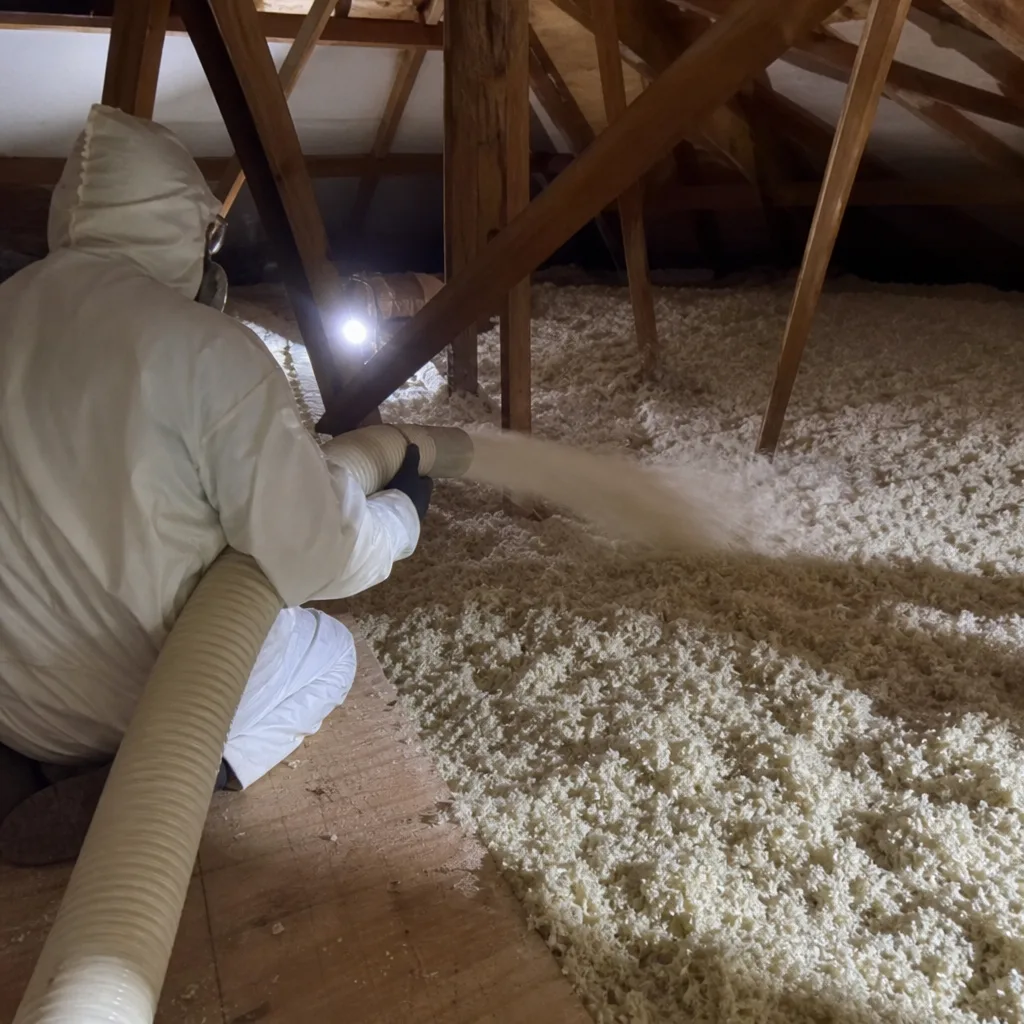
- Open-cell spray foam applied over settled fiberglass without removal. We find this in Selma attics where a previous contractor blew new material over the original compressed batts. The trapped fiberglass creates a condensation plane between the old and new layers. During Selma’s humid summers, moisture accumulates there and rots roof sheathing from the inside out. We remove all degraded material before sealing and foaming.
- Closed-cell applied too thick in 2×4 wall cavities. Selma’s tract homes from the 1990s and 2000s used standard 2×4 framing with brick-veneer exteriors. When closed-cell exceeds roughly 3 inches in these cavities, the wall can’t dry properly. Vapor pressure builds, and the brick mortar joints crack or spall. We calculate thickness precisely and use open-cell where permeability is needed.
- Rim joists left unsealed during “attic-only” jobs. This is the most common incomplete job we correct in Selma. A contractor blows new insulation overhead but ignores the band joist, top plate, and penetrations. The blower-door number barely moves. We seal first, then insulate, in that order, and we prove the result with before-and-after pressurization readings.
- Commercial roofline spray foam neglected at the Loop 1604/I-35 interchange. Selma’s large-format retail and warehouse strip punches above its residential population. Early-2000s commercial builds there have aging roofline spray foam and poorly sealed loading-dock areas that most residential-only contractors never see. We handle both building types.
Pricing for Spray Foam Insulation in Selma, TX
Most residential spray foam jobs in Selma fall into these ranges based on what we’ve priced over the past three years:
| Application | Typical Range in Selma |
|---|---|
| Open-cell attic floor (1,200-2,000 sq ft home) | $1,800-$3,200 |
| Open-cell roof deck (same footprint) | $3,200-$5,400 |
| Closed-cell rim joist sealing | $800-$1,600 |
| Closed-cell crawl space walls | $2,400-$4,200 |
| Full envelope (attic + rim + select walls) | $4,500-$7,800 |
What moves the number: attic accessibility, whether existing insulation requires removal, the condition of air-leak paths that must be sealed first, and whether we’re working in a vented or unvented configuration. Every Selma job begins with a written price before any work starts, under Haven Standard Clause 1. We also provide free second opinions on any written estimate you’ve already received. Call (830) 402-5240 to schedule.
We Also Serve Cities Near Selma
Our crews work throughout the I-35 corridor north of San Antonio, including Selma and neighboring Schertz, Cibolo, Universal City, and Converse. The housing stock and climate conditions are similar across these markets, and we apply the same diagnostic approach, written pricing, and documented photo records on every job.
Serving Selma, TX - Our Local Coverage Area
We’re based in the Selma area and know this community well. Use the map below to see our service coverage - if you’re nearby, we can almost certainly help.
FAQs - Spray Foam Insulation in Selma
Spray foam is worth it for this specific Selma cohort because adding more blown material over settled, compressed fiberglass traps moisture and does not address the unsealed rim joists and top plates that dominate air leakage in these builds. We regularly test Selma attics from this era where the original insulation performs 30-40% below labeled R-value. Removal, air sealing, and spray foam application typically drops attic temperatures 20-25°F and reduces cooling load substantially. Call (830) 402-5240 for a written price comparison between top-off and full spray foam conversion.
Yes, and it’s an overlooked opportunity in Selma. The early-2000s commercial builds at that interchange have aging roofline spray foam and poorly sealed dock areas that drive energy costs higher than they should be. We apply closed-cell foam to loading-dock thresholds, re-foam degraded roofline applications, and provide blower-door or infrared documentation showing the thermal envelope improvement. The same written-price and photo-record process applies. Call (830) 402-5240 to discuss a commercial assessment.
Moisture problems result from incorrect foam selection or application over unremoved, water-compromised existing insulation, not from spray foam itself. In Selma’s humidity, we use open-cell on roof decks where inward drying is desired, and closed-cell at rim joists and below-grade areas where vapor drive is strongest. We never trap old fiberglass beneath new foam. Every job includes a documented photo record of substrate condition before foam goes in. Call (830) 402-5240 if you’ve received conflicting advice on this.
Uri exposed how poorly Selma’s pre-IECC 2009 tract homes perform when temperatures drop below 20°F for extended periods, with frozen pipes and catastrophic heat loss in homes that had been “fine” in normal winters. The lesson for insulation strategy is that air sealing matters as much as R-value in extreme events, and spray foam’s air-barrier properties outperform loose-fill materials when the envelope is stressed in both directions. We’ve seen increased demand for comprehensive envelope assessments in Selma since 2021, with homeowners specifically requesting blower-door verification. Call (830) 402-5240 to schedule.
We recommend both, applied to different locations: closed-cell at rim joists, band boards, and any below-grade or moisture-exposed areas; open-cell at attic floors and roof decks where vapor permeability aids drying. For Selma’s standard 2×4 walls, we rarely recommend full cavity fill with closed-cell because thickness limitations in a 3.5-inch cavity reduce the R-value advantage, and over-application risks mortar-joint damage on brick-veneer exteriors. The specific recommendation comes after we inspect your home’s existing conditions and test with a blower door. Call (830) 402-5240 for a written scope and price.
Written by Wes Okafor, Owner at Topside Attic Insulation Schertz, serving Selma and the greater San Antonio metro since 2016.