
Last updated September 24, 2026
Insulation Permits, Codes & Inspections in TX: What You Need to Know
Texas is one of the few states where a municipality can legally adopt the 2021 IECC or no energy code at all - and the jurisdiction where your house sits determines which insulation R-values are enforceable at inspection, a fact that changes the minimum your contractor is legally required to deliver. In Schertz, that jurisdictional boundary runs right through the Guadalupe County line, meaning two homes on the same street can face different code requirements depending on which side of the county line they fall. Most insulation contractors don’t volunteer this gap because it shifts compliance responsibility to the homeowner, not the crew. This guide - alongside our more guides & resources - explains what the City of Schertz and Guadalupe County actually enforce, when permits are required for insulation work, what inspectors look for, and how to protect yourself at resale with the right documentation.
Quick Answer
In Texas, insulation permit requirements are set at the municipal or county level, not statewide. In Schertz, which operates under the 2021 International Energy Conservation Code (IECC) with local amendments, attic insulation retrofits typically require a permit when R-value is changed or when the work accompanies HVAC replacement. Homeowners carry liability for unpermitted work at resale, including failed inspections, insurance disputes, and buyer credits for code compliance.
Table of Contents
- Why Texas Has No Statewide Energy Code Mandate
- What Schertz and Guadalupe County Actually Enforce
- When a Permit Is Required for Insulation Work
- What Happens During an Insulation Inspection
- Duct Insulation and HVAC Replacement: The Hidden Permit Trigger
- The Homeowner’s Paper Trail: What to Keep and Why
- Common Mistakes to Avoid
- When to Call a Professional
- Frequently Asked Questions
- The Bottom Line
Why Texas Has No Statewide Energy Code Mandate
Texas is an opt-in state for energy codes. The legislature has never adopted a mandatory statewide residential energy code, which means the decision falls to individual municipalities and, in unincorporated areas, to county governments. This creates a patchwork where Houston enforces the 2021 IECC, a neighboring unincorporated Harris County subdivision might enforce the 2015 version, and a rural Guadalupe County property might enforce no energy code at all.
For homeowners in Schertz, this matters because the city incorporated in 1958 and adopted the 2021 IECC with local amendments effective for permits pulled after January 1, 2022. But travel three miles northeast into unincorporated Guadalupe County, and the same insulation job faces no energy code inspection unless the county’s building department voluntarily applies standards. We’ve pulled permits in both jurisdictions, and the difference in inspector expectations is substantial.
The practical effect: a contractor working across Schertz city limits and Guadalupe County unincorporated areas must know which jurisdiction applies to each address. Many don’t. We’ve encountered retrofits in Schertz neighborhoods like The Crossvine and Willow Grove where the previous contractor assumed county rules applied, installed insulation below city minimums, and left the homeowner with no permit record - a scenario covered in our Insulation Warning Signs: A Schertz Homeowner’s Reference Guide. When that homeowner listed the property, the disclosure gap became a negotiation point with buyers.
Key implications of Texas’s opt-in system:
- No statewide minimum R-value guarantee - your city or county sets the floor
- Contractor licensing is not uniform; verify local registration separately from state HVAC or electrical licenses
- Resale disclosure forms in Texas (TREC Form OP-H) ask specifically about unpermitted structural or system modifications
- Insurance claims for moisture damage can be denied if unpermitted insulation work contributed to the loss
What Schertz and Guadalupe County Actually Enforce
The City of Schertz adopted the 2021 IECC with amendments that modify climate zone requirements and inspection protocols. Schertz sits in IECC Climate Zone 2, which governs the southern edge of Central Texas. The 2021 code sets prescriptive minimum R-values for new construction and substantial renovations; for retrofits, the city applies these as performance targets when permits are triggered.
Current enforceable minimums in Schertz for permitted residential work:
| Assembly | 2021 IECC Prescriptive Minimum | Schertz Amendment |
|---|---|---|
| Attic insulation, vented | R-49 | R-38 accepted for retrofit over existing R-19 if total assembly meets R-38 |
| Attic insulation, unvented | R-30 (above deck) or R-49 (ceiling) | No amendment; full R-49 required for ceiling applications |
| Wood-framed wall cavity | R-13 or R-20 continuous | R-13 cavity minimum; continuous insulation not required for retrofit |
| Floor over unconditioned space | R-19 | R-19; crawl space encapsulation may substitute with approved vapor barrier |
| Ducts in unconditioned attic | R-8 | R-6 accepted for existing duct retrofit; R-8 for new duct installation |
| Air leakage - blower door | 5.0 ACH50 (Climate Zone 2) | 7.0 ACH50 for existing home retrofits with documented pre-test above 10.0 ACH50 |
Guadalupe County, for unincorporated areas, does not currently enforce the IECC for residential retrofits. New construction in county jurisdiction typically follows the 2015 IRC without energy chapter adoption. This means a homeowner in unincorporated Guadalupe County near Schertz can legally install insulation at any R-value with no permit, no inspection, and no documentation - but that same work becomes a liability at resale when buyers or their inspectors ask for permit history.
We’ve measured attics in Schertz’s Newport subdivision where R-30 was installed in 2019 under county rules, and the homeowner now faces a $4,200 reinsulation to meet city code for a permitted HVAC replacement. The original contractor is out of business. The permit trigger wasn’t the insulation itself; it was the HVAC changeout that required duct modification, which pulled the attic insulation into scope.
When a Permit Is Required for Insulation Work
Texas law does not require a specific “insulation permit.” Instead, insulation work falls under building permits triggered by other project types, or under mechanical permits when ducts are involved. Understanding these triggers prevents the most common compliance failure we see in Schertz: a contractor who replaces insulation without pulling the permit that the downstream work will require.
Permit Triggers for Insulation Work in Schertz
- New construction or room additions: Full building permit required. Insulation is inspected as part of framing/rough-in and final building inspections. R-values must match approved plans.
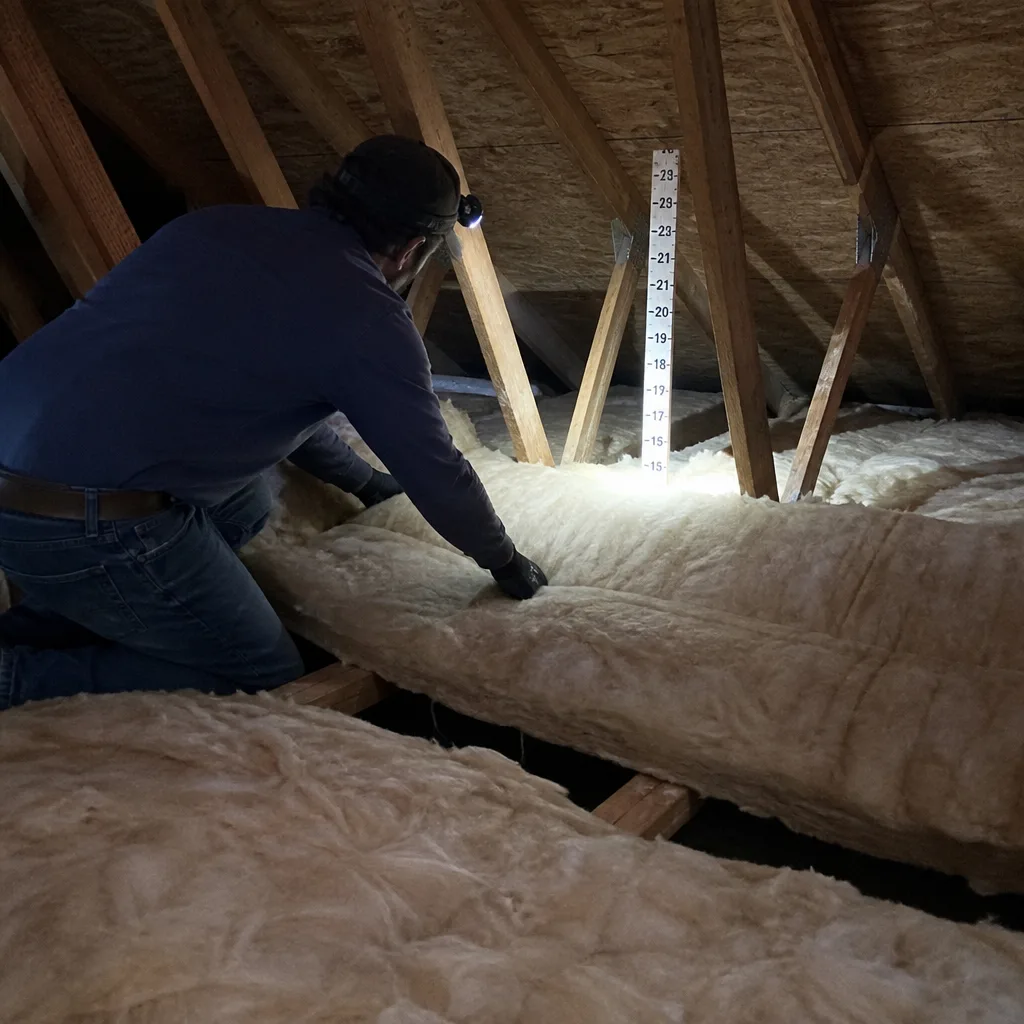
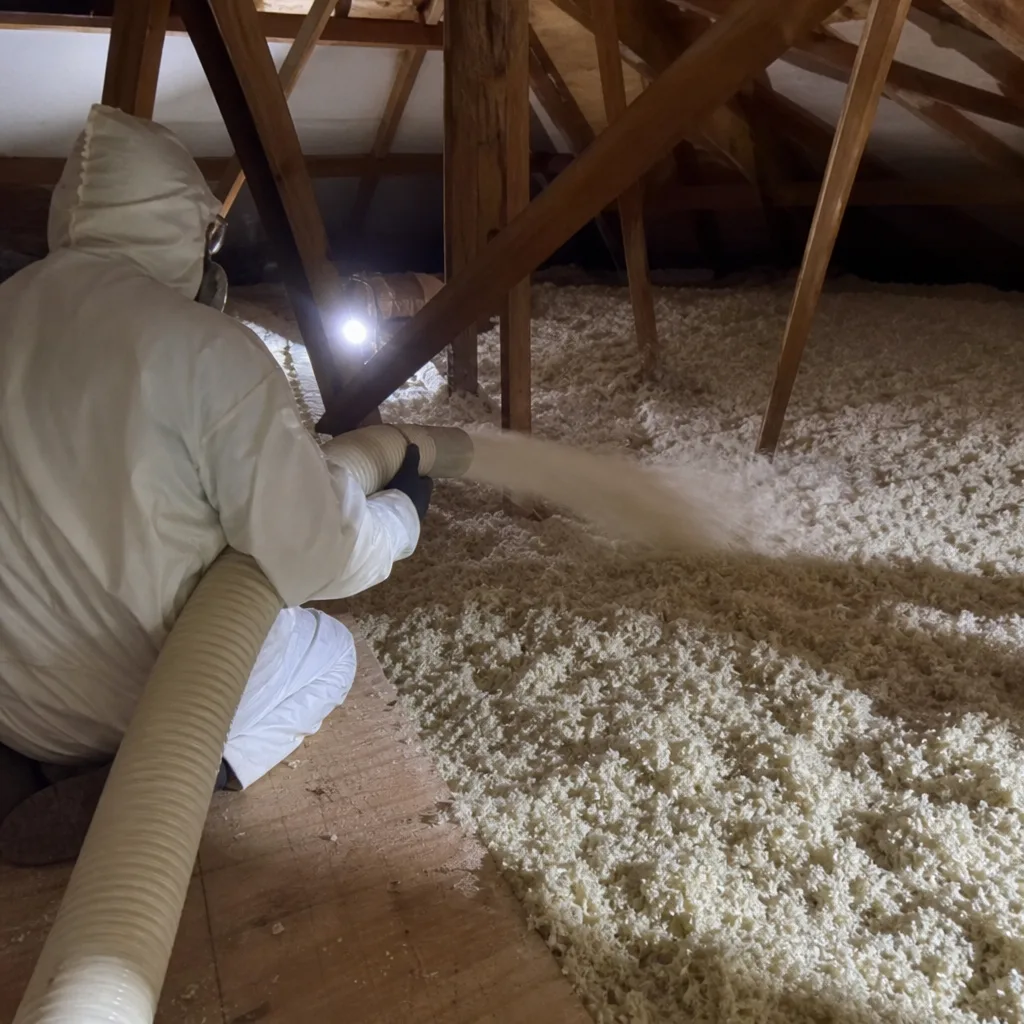
- Attic insulation retrofit with no other work: Typically no permit required in Schertz if the work is purely additive (blowing fiberglass or cellulose over existing). However, if existing insulation is removed and replaced, or if the attic floor is disturbed for air sealing, the city interprets this as “alteration” requiring a building permit.
- HVAC replacement or duct modification: Mechanical permit required. If ducts run through unconditioned attic or crawl space, duct insulation and air sealing are inspected under the mechanical permit. This is the most common hidden trigger.
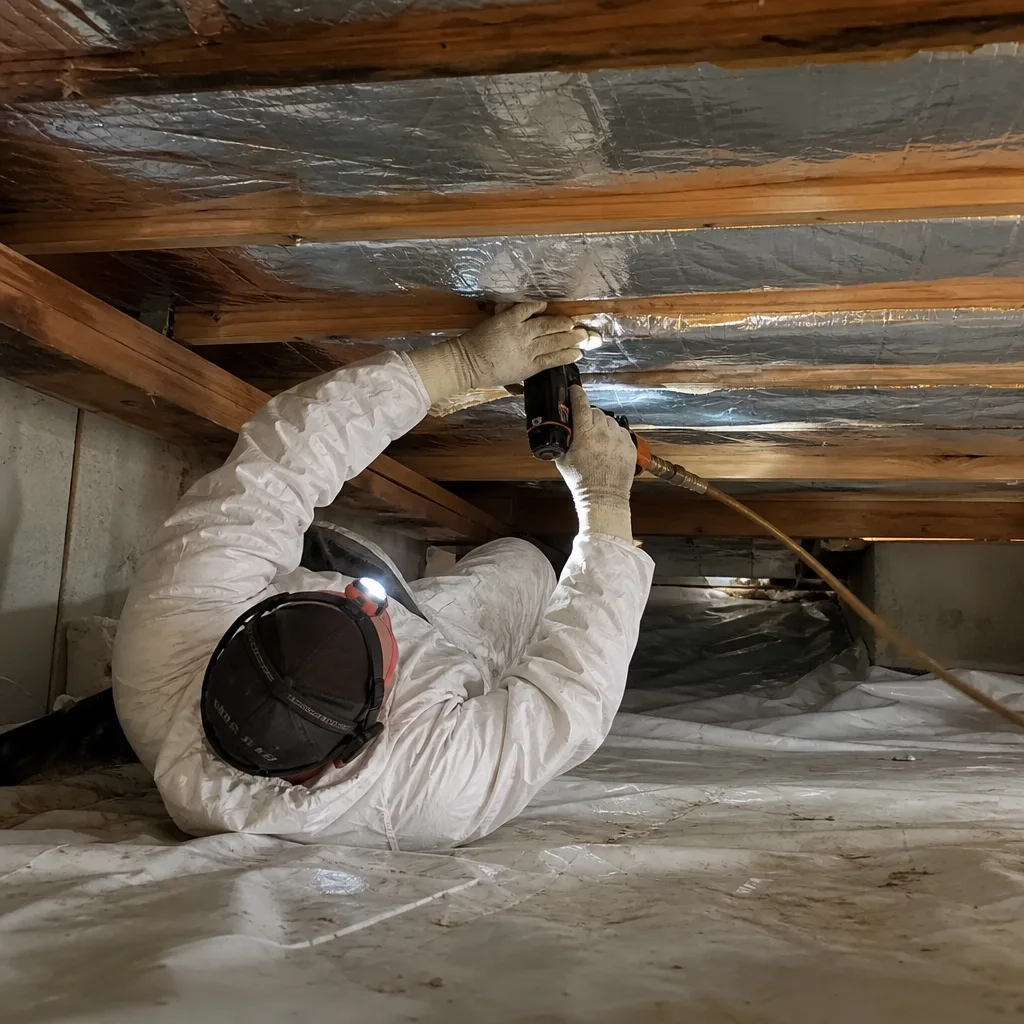
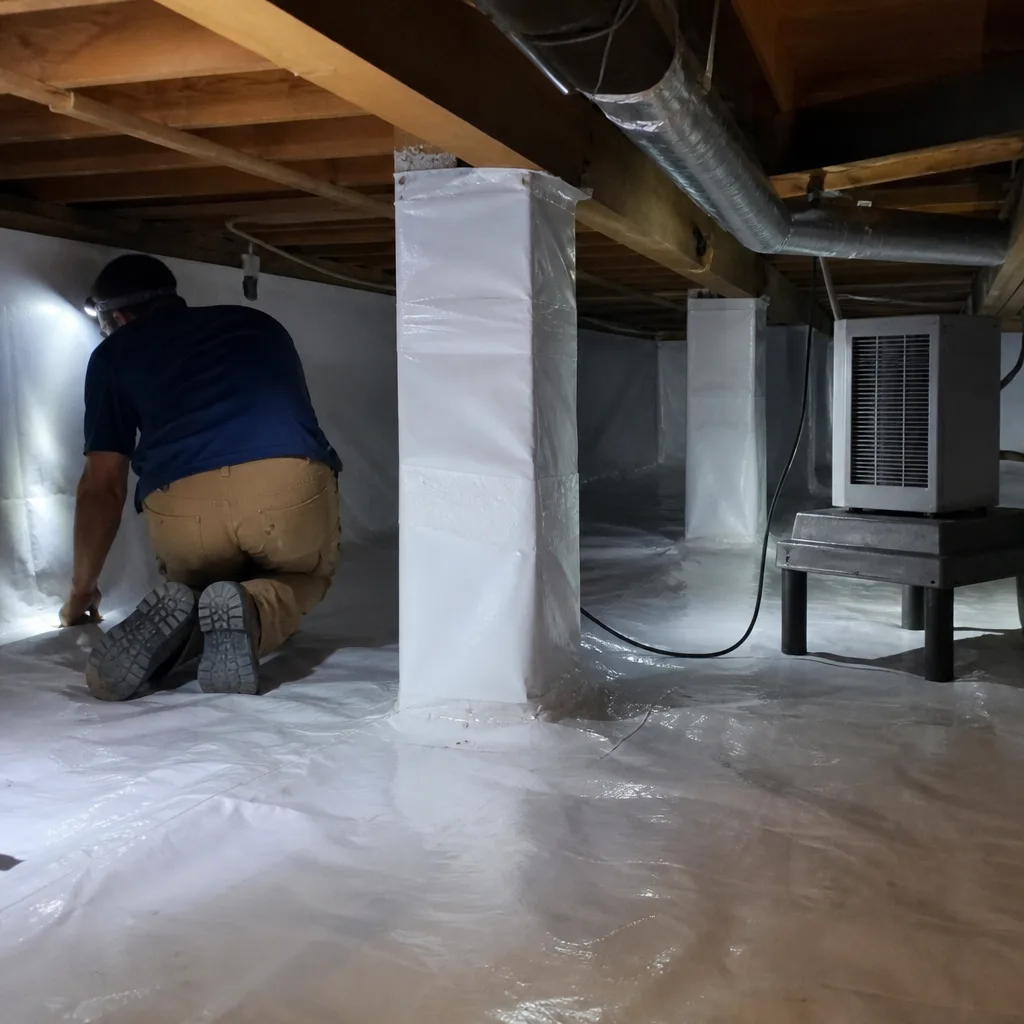
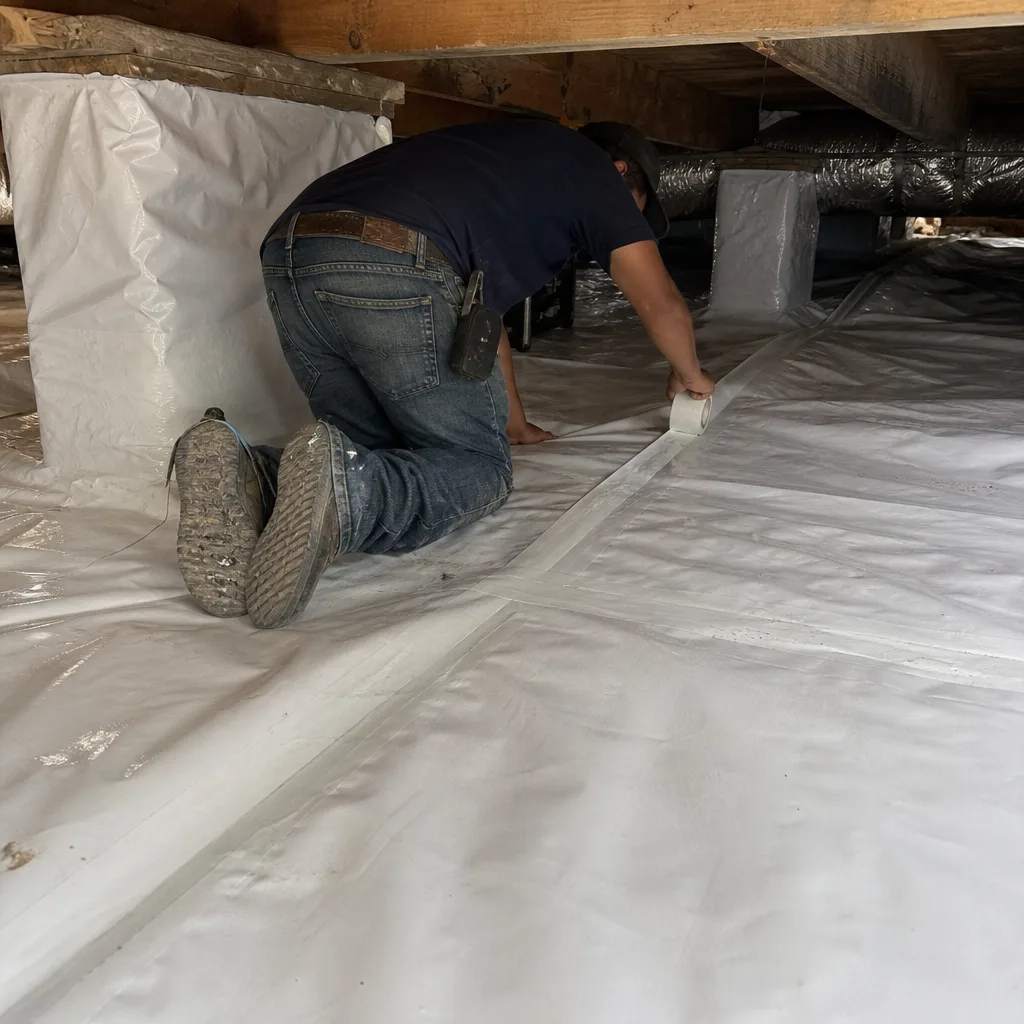
- Crawl space encapsulation with vapor barrier: Building permit required in Schertz if the crawl space is converted from vented to unvented, or if conditioned air is introduced. Crawl space encapsulation in Schertz requires moisture management plan approval.
- Wall insulation retrofit (drill-and-fill or removal of interior drywall): Building permit required. Fire-blocking inspection required for any wall cavity work.
- Spray foam insulation in unvented attic: Building permit and fire-safety inspection required. Ignition barrier or thermal barrier must be verified per IRC Section 316.
The liability for unpermitted work rests with the property owner, not the contractor. Texas Property Code does not provide a statutory exemption for contractor failure to pull permits. If a Schertz homeowner sells and the buyer’s title search reveals unpermitted mechanical or building work, the seller must either obtain retroactive permits (often requiring removal of finished surfaces for inspection) or negotiate a credit. We’ve reviewed estimates where retroactive permitting for a $2,800 insulation job cost $6,400 in remediation and re-inspection.
Under Haven Standard: Have it in writing - we provide the permit number, inspection schedule, and sign-off documentation before any work starts, so the homeowner knows exactly what leaving looks like.
What Happens During an Insulation Inspection
Insulation inspections in Schertz are conducted by the city’s Building Safety Department, typically as part of a sequence (rough mechanical, framing, final building) rather than as standalone insulation-only inspections. Understanding what the inspector verifies - detailed in our Attic Insulation Maintenance Checklist for Schertz Homeowners - helps homeowners evaluate contractor quality and anticipate whether a job will pass.
What the Inspector Checks
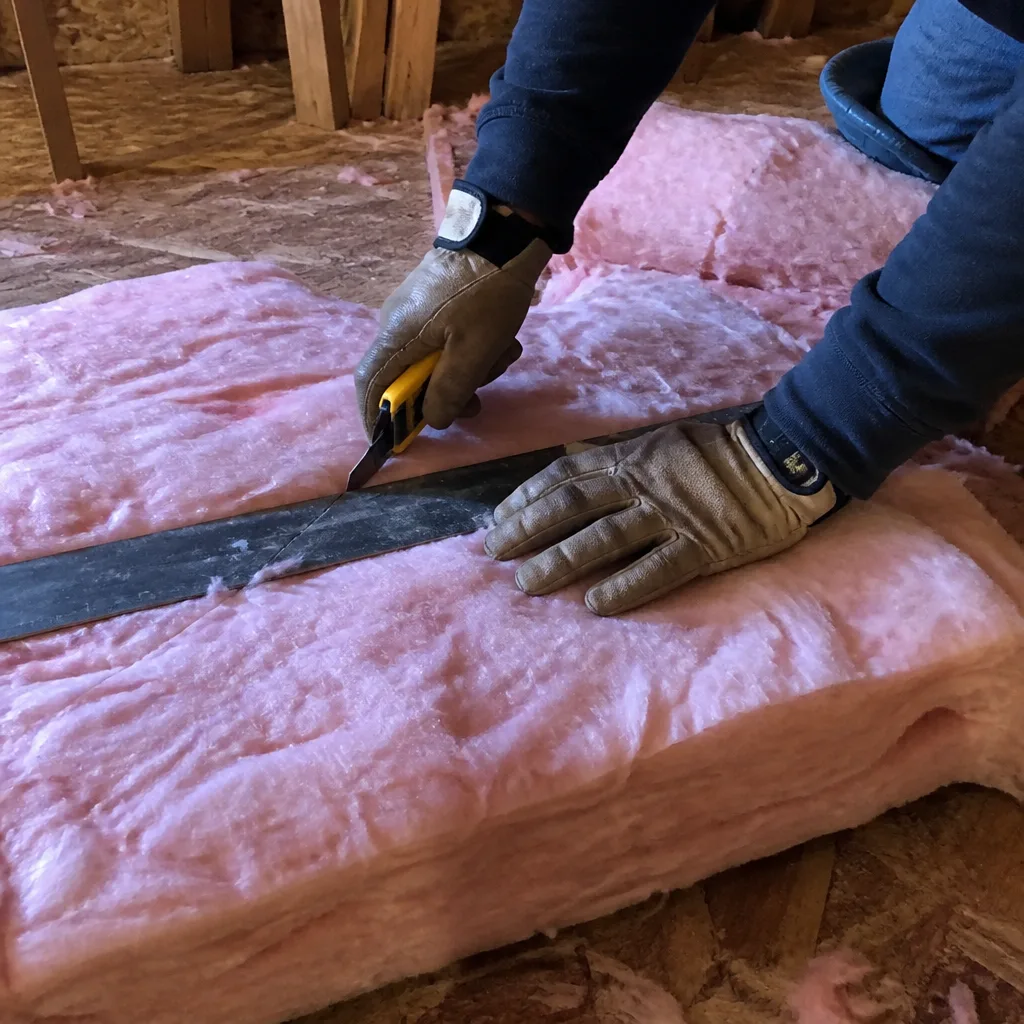
- R-value verification: Bag labels or manufacturer certification for blown-in products; stamped facing or ink-jet marking for batts. The inspector spot-checks depth against manufacturer-settled density tables. For GreenFiber cellulose, that’s typically 1.6 pounds per cubic foot for R-38 at 10.25 inches settled depth.
- Complete coverage: No gaps, voids, or compressed areas. Top plates, rim joists, and kneewalls must be fully covered. In Schertz’s older homes near FM 3009, we’ve seen inspectors fail jobs where blown-in cellulose missed cathedral ceiling valleys.
- Air barrier continuity: Where air sealing is part of the permitted scope (HVAC mechanical permits, spray foam jobs), the inspector verifies that top plates, can light housings, and penetration points are sealed with caulk, foam, or approved gasket. We document this with photos for the homeowner’s record.
- Duct insulation and sealing: Ducts in unconditioned spaces must have intact insulation with sealed seams. Duct leakage testing is required for new HVAC installations; the inspector checks for a passing test report on site.
- Ignition barriers for spray foam: In unvented attics or crawl spaces with Icynene or Demilec open-cell foam, an ignition barrier (typically intumescent coating or 1.5-inch mineral wool) is required if the space is accessed for storage or mechanical service. The inspector verifies the barrier is present and labeled.
- Vapor retarder placement: In Climate Zone 2, vapor retarders are not required on the warm side of walls, but if installed, they must face the correct direction. Incorrect placement traps moisture and fails inspection.
What Documentation Must Be On Site
- Permit card, posted visibly
- Approved plans or scope of work (for spray foam, fire-safety details)
- Manufacturer’s R-value certification for installed products
- Duct leakage test report (if applicable)
- Contractor’s certificate of insurance
- Photo documentation of pre-work conditions (recommended, not required - we include this as standard)
A failed inspection requires correction and re-inspection. Schertz charges a re-inspection fee of $75 for the first failure, $150 for subsequent failures on the same permit. Critical failures (fire-safety violations, missing ignition barriers) require full correction before any finish work proceeds. We’ve taken over jobs where a spray foam contractor in Schertz’s Allison Ranch area failed final inspection three times because the ignition barrier specification was omitted from the subcontractor’s scope.
Duct Insulation and HVAC Replacement: The Hidden Permit Trigger
The most commonly overlooked permit trigger in Schertz retrofit work is the HVAC replacement. When a homeowner replaces a 15-year-old air handler in the attic, the mechanical permit covers the equipment, the refrigerant lines, and - critically - any duct modification. If the existing R-4 or uninsulated flex duct is replaced with R-6 or R-8, or if duct runs are rerouted through the attic, the insulation work falls under the mechanical permit inspection.
We’ve audited homes in Schertz’s Pasadera community where the HVAC contractor pulled a mechanical permit but the insulation subcontractor was never informed. The ducts were wrapped with R-6, but no inspection occurred because the permit scope was written as “equipment replacement only.” When the homeowner later listed the property, the disclosure gap appeared as an unpermitted modification. The buyer’s lender required a retroactive inspection, which revealed the duct insulation was compressed at three bends and failed.
The intersection works like this:
- HVAC permit scope determines what is inspected
- Duct insulation R-value must match the permit application
- Air sealing of duct boots and plenum connections is verified
- Duct leakage testing (typically 8% of fan flow for retrofits in Schertz) must pass before final
- Attic insulation disturbed during duct work must be restored to code minimum
Our protocol on any job involving attic ductwork: we verify the HVAC permit status before touching insulation. If no permit exists and duct work is planned, we flag the requirement and coordinate with the HVAC contractor. Under Haven Standard: Have it in writing - the permit number goes on the written scope, and the inspection sign-off is delivered with the final photo record.
For homeowners planning attic insulation in Schertz alongside HVAC replacement, we recommend sequencing the insulation contractor’s air sealing and insulation work after the mechanical rough-in passes inspection, before the HVAC final. This prevents double disturbance of new insulation and ensures both trades’ work is visible for inspection.
The Homeowner’s Paper Trail: What to Keep and Why
The documentation you receive at project close matters more than most homeowners realize until they sell, file an insurance claim, or dispute contractor performance. In Schertz’s active resale market, where homes built between 2005 and 2015 turn over frequently, permit history is a standard buyer due diligence item.
Essential Documents to Retain
| Document | What It Proves | Retention Period |
|---|---|---|
| Building or mechanical permit | Work was legally authorized and inspected | Permanent property record |
| Inspection sign-off cards (all passes) | Code compliance verified by city authority | Permanent property record |
| Written scope of work | What was agreed versus what was delivered | Warranty period plus 7 years |
| Written warranty | Remedy rights for defective work | Warranty term plus 2 years |
| Before-and-after blower-door report | Quantified air-sealing performance | Permanent; share at resale |
| Documented Photo Record | Condition of work areas, material placement, finished state | Permanent property record |
| Manufacturer product certifications | R-value and fire-safety compliance | Permanent property record |
At Topside Attic Insulation Schertz, every job closes with a packet containing these items. The blower-door report is particularly valuable for Schertz homeowners because it provides a single number that buyers and their energy auditors can verify. We’ve had clients in The Grove at Schertz use their pre- and post-work CFM50 readings as selling points, documenting that their home’s air leakage dropped from 3,800 to 1,900 CFM50 after attic air sealing and spray foam insulation in Schertz.
Real estate disclosure in Texas requires sellers to disclose “any known defects” and “any unpermitted additions or modifications.” A permitted, inspected, and documented insulation job is not a defect. An unpermitted job, even if technically sound, becomes a disclosure item that invites buyer scrutiny and price negotiation.
Common Mistakes to Avoid
- Assuming your contractor pulled the permit. In Texas, the property owner is the permit holder of record. Verify the permit number on the city’s online portal before work starts. We’ve found jobs in Schertz where the contractor claimed a permit was “in process” for six weeks.
- Blowing insulation over unsealed attic floors. This violates the 2021 IECC air barrier requirements and produces no performance gain. The blower-door number won’t move. We remove existing insulation, seal top plates and penetrations, then reinstall - in that order, always.
- Ignoring the duct insulation trigger. Homeowners who replace HVAC equipment without verifying duct insulation inspection requirements often discover the gap at resale. Ask your HVAC contractor explicitly: “Will duct insulation be inspected under this permit?”
- Accepting verbal scope descriptions. Under Haven Standard Clause 1, every job begins with a written price, written scope, and written warranty. Verbal agreements are unenforceable in Texas for residential construction over $500.
- Discarding permit documentation. Schertz’s Building Safety Department retains records for 10 years; after that, only the property owner has proof. Keep your inspection sign-offs permanently.
- Hiring based on lowest price without permit verification. Unpermitted work is cheaper because it skips fees and inspection time. In Schertz’s competitive market, we’ve seen quotes 30% below ours that omitted permits entirely. The homeowner pays the difference at resale or reinspection.
When to Call a Professional
Call a professional when your project involves permit triggers you cannot verify independently, when the work requires disturbance of existing insulation (raising potential asbestos or rodent contamination concerns), or when you need documented performance verification through blower-door testing. In Schertz’s climate, where summer attic temperatures exceed 140°F and winter humidity drives condensation in improperly sealed assemblies, the cost of incorrect installation compounds quickly through energy bills and moisture damage.
Topside Attic Insulation Schertz offers free estimates in Schertz - call (830) 402-5240. Every estimate includes a written scope, a written price, and a clear statement of permit requirements before any work starts. We also provide a Free Second Opinion on any written estimate from another contractor; bring us their scope and we’ll identify permit gaps, code shortfalls, or missing performance documentation.
Frequently Asked Questions
Probably not if you’re blowing additional fiberglass or cellulose over existing insulation without removing the old material. If you’re removing and replacing insulation, or if the work accompanies HVAC replacement or crawl space encapsulation, a permit is required. Call the Schertz Building Safety Department at (830) 402-5240 with your address to confirm jurisdiction and requirements.
The City of Schertz enforces R-38 minimum for attic retrofits where existing R-19 remains in place, and R-49 for new construction or full removal-and-replacement jobs. Unincorporated Guadalupe County has no enforced minimum for retrofits. Your specific requirement depends on your property’s jurisdiction, not your contractor’s preference.
Building permits in Schertz are calculated by project valuation. A typical attic insulation retrofit permit runs $85-$150; mechanical permits for HVAC-related duct insulation range $125-$200. Re-inspection fees are $75 for first failure, $150 thereafter. These fees are separate from contractor labor and materials. Call (830) 402-5240 and we’ll include permit costs in your written estimate.
The inspector issues a correction notice with specific deficiencies. Your contractor must remedy and schedule re-inspection. Common failures in Schertz include incomplete coverage at top plates, compressed batt insulation, missing ignition barriers on spray foam, and failed duct leakage tests. We include re-inspection coordination in our scope at no additional charge if the failure results from our workmanship.
Yes, but you must disclose unpermitted work on the TREC disclosure form. Buyers may request retroactive permits, demand a credit for estimated compliance costs, or walk away. In Schertz’s market, we’ve seen $3,000-$8,000 credits negotiated for unpermitted attic work. Verifying permit history before listing is standard practice for agents in our area.
Yes. Spray foam in unvented attics or crawl spaces requires a building permit with fire-safety plan review. The ignition barrier or thermal barrier must be specified and inspected. We use Icynene and Demilec products with pre-approved fire-safety documentation to expedite this process. Never allow spray foam installation without permit verification; removal of non-compliant foam is expensive and disruptive.
The Bottom Line
Texas’s opt-in energy code system puts the burden on homeowners to know what their jurisdiction enforces. In Schertz, the 2021 IECC with local amendments sets R-value minimums, inspection protocols, and documentation requirements that change based on whether your property sits in city limits or unincorporated Guadalupe County. The most expensive insulation job is the one that must be redone for compliance. Verify permits before work starts, retain all documentation, and demand written proof of performance - the blower-door number that shows, in one figure, what you actually received. For ongoing care, see our Seasonal Insulation Care for Schertz: Year-Round Homeowner’s Guide.
Written by Wes Okafor, Owner at Topside Attic Insulation Schertz, serving Schertz since 2016.